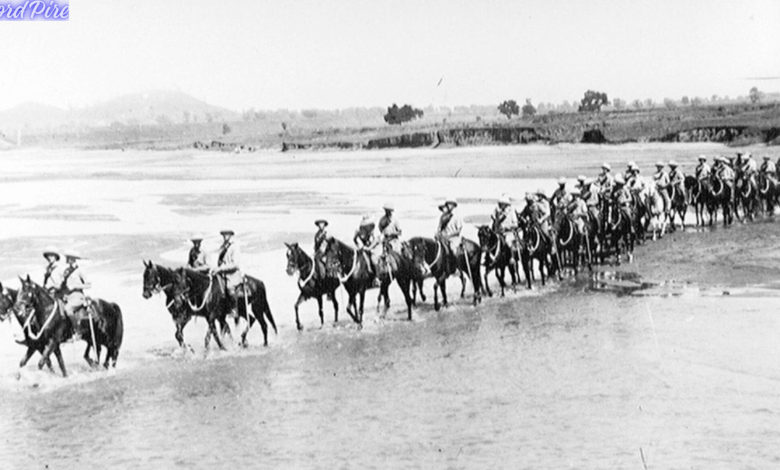
The Calcutta Light Horse was one of the most extraordinary volunteer regiments in the British Indian Army. Formed in 1872, this cavalry unit was primarily made up of civilians who had prior military experience, blending expertise with determination. Their history is remarkable not only for their longevity but also for the daring exploits that defined their legacy, particularly the last charge of the Calcutta Light Horse during World War II.
From its inception, the Calcutta Light Horse was more than just a conventional regiment. The volunteers balanced civilian responsibilities with military duties, creating a unit known for adaptability, courage, and discipline. This unique composition allowed them to carry out high-risk operations that few traditional army units could attempt. Their story remains one of the most inspiring examples of civilian contribution to military history.
Origins of the Calcutta Light Horse
The Calcutta Light Horse was established in 1872 as part of the Cavalry Reserve of the British Indian Army, originally called the Calcutta Volunteer Lancers. The regiment’s primary role was to provide reinforcements and support during emergencies, drawing upon the skills of volunteers who brought both civilian knowledge and previous military experience. Over time, the unit became respected for its readiness and effectiveness in challenging situations.
The members of the Calcutta Light Horse were often middle-aged, reflecting a unique blend of experience and maturity uncommon in conventional military units. Their commitment to serving the British Indian Army while managing civilian lives highlighted the dedication and resilience of this remarkable regiment. This combination of skill, discipline, and adaptability set the stage for their legendary raid during World War II, which remains a defining moment in military history.
The Role of the Calcutta Light Horse During WWII
During the Second World War, the Calcutta Light Horse played an invaluable role in operations across India and the Indian Ocean. While their official duties were often administrative and supportive, their expertise in local geography, intelligence, and unconventional warfare made them ideal for covert operations. This dual capability allowed the regiment to conduct missions that required both precision and discretion.
Despite being composed largely of older volunteers, the regiment demonstrated extraordinary discipline and courage. Members of the Calcutta Light Horse often undertook reconnaissance missions, sabotage, and intelligence work, proving that even a small volunteer unit could influence the outcomes of wartime operations. Their contributions are now recognised as an example of strategic ingenuity and the impact of civilian expertise in military contexts.
The Last Charge of the Calcutta Light Horse
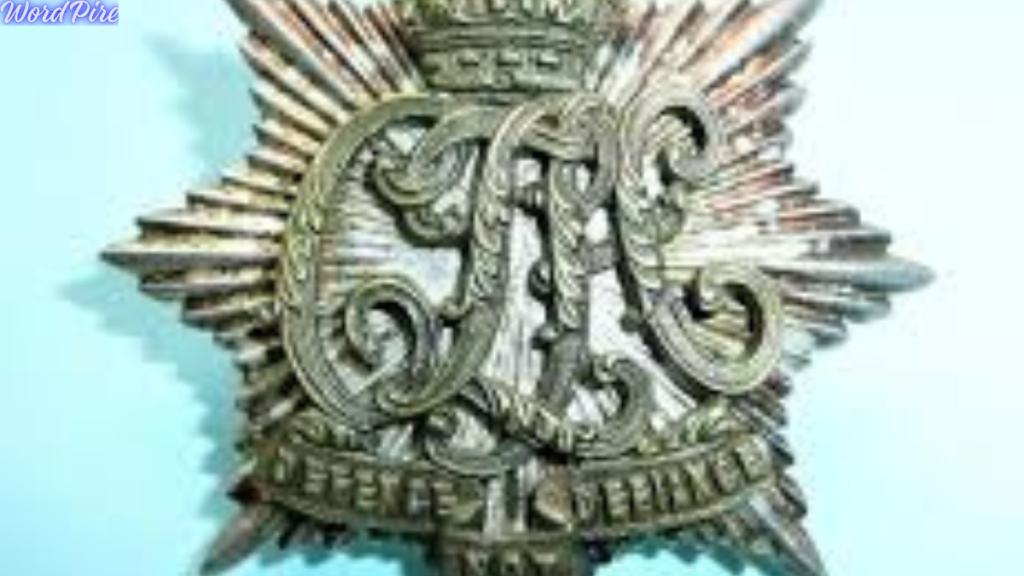
The last charge of the Calcutta Light Horse is celebrated as one of the most daring and audacious operations of World War II. In 1943, a small group of volunteers carried out a secret raid, later known as Operation Creek, on German shipping anchored in Goa harbour. Using a barge to infiltrate the port, they successfully sank enemy vessels without alerting neutral authorities, a feat that required immense courage and meticulous planning.
This operation demonstrated that age and size were not barriers to achieving military success. The members of the Calcutta Light Horse, many of whom were past the typical age for active service, carried out the raid with precision and bravery. Their actions disrupted Axis operations in the Indian Ocean and earned them a place in military history, showcasing how unconventional strategies can have far-reaching impacts during wartime.
Legacy and Recognition of the Calcutta Light Horse
After India gained independence in 1947, the Calcutta Light Horse was officially disbanded. However, their legacy continues to inspire military historians, enthusiasts, and readers interested in stories of courage and ingenuity. The regiment is remembered for the last charge and other contributions that demonstrated exceptional resourcefulness and strategic thinking.
The story of the Calcutta Light Horse has been immortalised in books, documentaries, and films, ensuring that their bravery and creativity are not forgotten. Beyond historical records, the regiment represents the broader significance of volunteer forces, showing that determination, teamwork, and courage can allow even small units to achieve extraordinary results. Their legacy remains a testament to human resolve under challenging circumstances.
Lessons and Significance of the Calcutta Light Horse
The story of the Calcutta Light Horse offers valuable lessons about leadership, strategy, and the role of volunteers in wartime. Their operations illustrate the importance of planning, intelligence, and adaptability in overcoming obstacles, even when resources are limited. The regiment’s ability to achieve significant results with a small number of volunteers is a lesson in strategic effectiveness.
The significance of the Calcutta Light Horse also lies in its ability to inspire future generations. The bravery, creativity, and determination shown during the last charge demonstrate that ordinary individuals, when united by a shared purpose, can achieve remarkable feats. This legacy continues to resonate with military historians and enthusiasts who study unconventional warfare and the impact of volunteer regiments.
Conclusion
The Calcutta Light Horse remains one of the most fascinating volunteer regiments in military history. From its formation in 1872 to the daring last charge in Goa during World War II, the regiment exemplified courage, creativity, and strategic brilliance. Their story continues to captivate historians and enthusiasts, serving as a reminder of the extraordinary impact that a dedicated, skilled, and determined volunteer force can have on history.
Frequently Asked Questions
What was the Calcutta Light Horse?
- The Calcutta Light Horse was a volunteer cavalry regiment formed in 1872 as part of the British Indian Army, known for bravery and unconventional missions.
What was the last charge of the Calcutta Light Horse?
- It was a daring 1943 raid on German ships in Goa harbour during World War II, carried out by a small volunteer team.
Who participated in the last charge of the Calcutta Light Horse?
- Middle-aged volunteers, many with prior military experience, executed the raid with precision and courage.
What was Operation Creek?
- Operation Creek was the codename for the secret raid on Axis shipping in Goa by the Calcutta Light Horse in 1943.
Why is the Calcutta Light Horse historically significant?
- The regiment is celebrated for its bravery, ingenuity, and the impact of its volunteer force in unconventional wartime operations.
Also Read: Farey Gannet