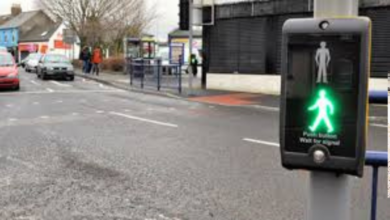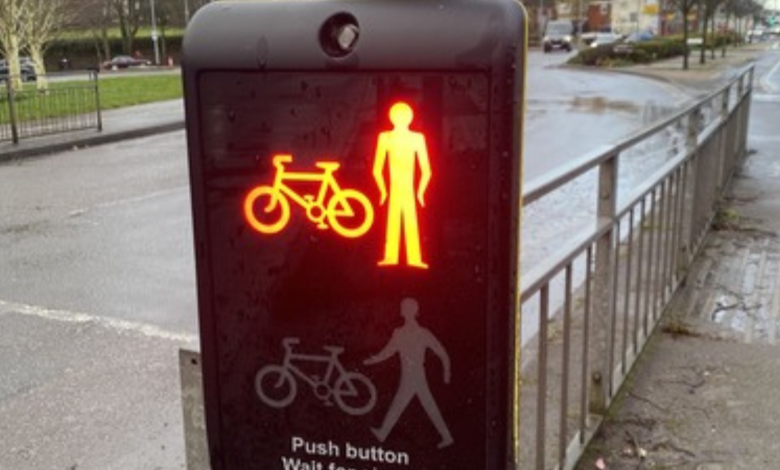
A toucan crossing is a specialised type of road crossing in the UK, designed to allow both pedestrians and cyclists to cross safely at the same time. Unlike standard pedestrian crossings, a toucan crossing is wider, usually around four metres, providing enough space for shared use. The name “toucan” comes from the phrase “two can cross,” emphasising that both cyclists and pedestrians can use it simultaneously. This design improves safety, convenience, and traffic flow on busy urban streets.
These crossings are equipped with push-button controls and traffic lights, guiding users when it is safe to cross. Drivers approaching a toucan crossing are required to stop at red signals, ensuring the safety of everyone using the crossing. Cyclists are permitted to ride across without dismounting, which encourages smoother movement and reduces congestion. Understanding how a toucan crossing works is essential for pedestrians, cyclists, and motorists alike.
What is a Toucan Crossing?
A toucan crossing is a type of traffic light-controlled crossing specifically intended for both pedestrians and cyclists. Its wider layout allows two types of users to share the space without interfering with each other. Unlike puffin or pelican crossings, a toucan crossing permits cyclists to ride across without dismounting, making it an efficient solution for busy roads. Clear signals and signage indicate when it is safe for both pedestrians and cyclists to cross together.
The meaning of a toucan crossing reflects its purpose: enabling two types of users to cross safely. Pedestrians follow the standard crossing rules, while cyclists are encouraged to keep a steady speed and be cautious of walkers. Placing these crossings on busy cycle routes ensures both safety and convenience. Knowing what a toucan crossing is helps users navigate urban streets more effectively and avoid confusion with other types of crossings.
Toucan Crossing UK Locations and Regulations
Toucan crossings are commonly found across the UK, particularly on roads with high pedestrian and cyclist traffic. Local councils carefully select locations for these crossings to maximise safety and accessibility. Each crossing is fitted with clear traffic lights, push buttons, and visual indicators for both cyclists and pedestrians. The push-button system allows users to signal their intent to cross, while vehicles are stopped at red lights.
UK regulations dictate that cyclists should maintain a controlled speed and be mindful of pedestrians. Pedestrians must also observe traffic signals and cross only when safe. Drivers approaching a toucan crossing are legally required to stop and wait, giving priority to crossing users. Understanding toucan crossing rules in the UK ensures safer urban travel and helps prevent accidents, making these crossings an essential part of city infrastructure.
Toucan Crossing vs Puffin Crossing
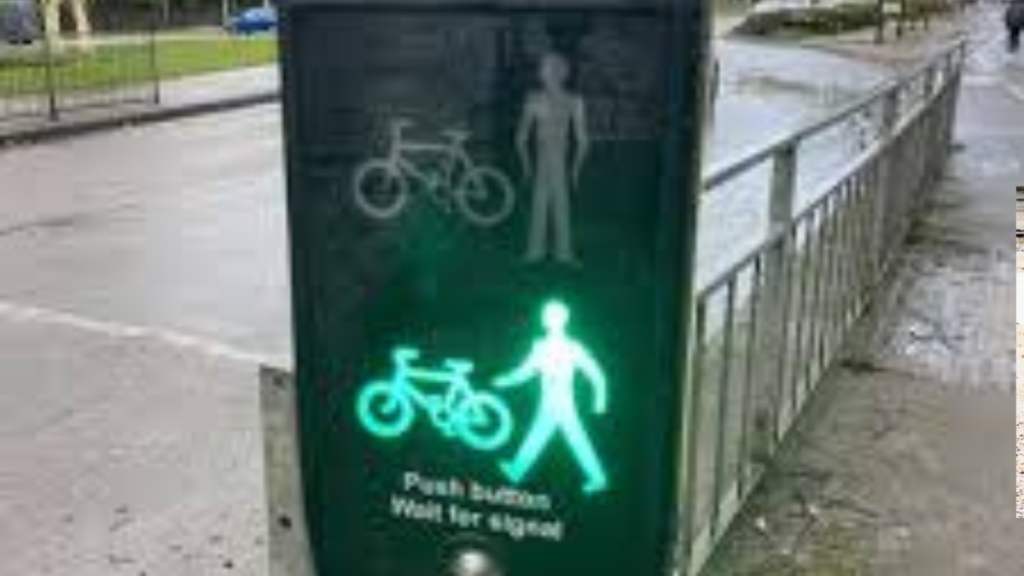
A common question is how a toucan crossing differs from a puffin crossing. Puffin crossings are exclusively for pedestrians, featuring sensors that detect when someone is waiting to cross. In contrast, toucan crossings are designed for both pedestrians and cyclists, with signals showing a green pedestrian symbol alongside a green cycle symbol. This dual-use design allows smoother movement for all users.
Cyclists on a toucan crossing can continue riding without dismounting, while puffin crossings usually require cyclists to step off their bikes. Understanding the difference between a toucan crossing and a puffin crossing ensures that both pedestrians and cyclists follow the correct safety procedures. Proper use of these crossings reduces confusion and prevents potential accidents on busy urban roads.
Toucan Crossing vs Pelican Crossing
Toucan crossings also differ significantly from pelican crossings. Pelican crossings are primarily for pedestrians and often require cyclists to dismount. They are operated with a flashing amber phase for drivers, signalling that the crossing may be clear but caution is needed. In contrast, a toucan crossing provides a dedicated, wider lane for cyclists to ride across safely while pedestrians cross at the same time.
Pelican crossings were among the first light-controlled pedestrian crossings in the UK, but the need for modern, cyclist-friendly solutions led to the development of toucan crossings. Comparing pelican, puffin, and toucan crossings highlights how UK road systems have adapted to increasing urban cycling. This ensures all users can cross streets safely, reducing the risk of accidents and improving traffic flow in congested areas.
Safety Rules and Best Practices
Using a toucan crossing safely requires awareness from both cyclists and pedestrians. Cyclists should maintain a moderate speed, watch for pedestrians, and follow traffic signals carefully. Pedestrians should only cross when the signal indicates it is safe and remain alert to approaching cyclists. Drivers must stop at red lights and give priority to users on the crossing.
Following safety rules ensures that a toucan crossing functions effectively for everyone. Proper use reduces accidents, encourages cooperation between pedestrians and cyclists, and improves urban traffic management. Awareness of these rules is crucial, especially in busy city centres, where multiple types of road users interact. Safe use of a toucan crossing benefits the entire community.
Common Misconceptions About Toucan Crossings
Many people confuse toucan crossings with puffin or pelican crossings. Unlike puffin crossings, toucan crossings allow cyclists to ride across, and unlike pelican crossings, they have no flashing amber phase for vehicles. Misunderstandings can lead to unsafe behaviour, especially when cyclists ignore pedestrians or drivers fail to stop.
It is important to educate road users about the purpose of a toucan crossing. Clear signage and awareness campaigns can help prevent confusion. Understanding the distinctions ensures that everyone – pedestrians, cyclists, and drivers – uses these crossings correctly, creating safer and more efficient urban streets.
Conclusion
Toucan crossings are an innovative part of the UK’s road network, designed to improve safety for pedestrians and cyclists. By providing a shared space and clear traffic signals, these crossings reduce accidents and support smoother urban travel. Understanding the rules, differences from puffin and pelican crossings, and proper use is essential for all road users. Following these guidelines ensures everyone can cross safely and confidently.
Frequently Asked Questions
What is a toucan crossing?
A toucan crossing is a road crossing that allows both pedestrians and cyclists to cross simultaneously.
Who can use a toucan crossing?
Pedestrians and cyclists can use a toucan crossing safely together.
How is a toucan crossing different from a puffin crossing?
Unlike puffin crossings, toucan crossings allow cyclists to ride across without dismounting.
Can cyclists ride across a toucan crossing?
Yes, cyclists are allowed to ride across a toucan crossing.
Where are toucan crossings located in the UK?
Toucan crossings are commonly placed on busy roads and cycle routes across the UK.
Why is it called a toucan crossing?
It’s called a toucan crossing because “two can” cross – pedestrians and cyclists together.
What safety rules should be followed at a toucan crossing?
Users should follow traffic signals, keep a safe speed, and give priority to others.
How wide is a typical toucan crossing?
A toucan crossing is usually about four metres wide to accommodate shared use.
Are toucan crossings more convenient than pelican crossings?
Yes, because cyclists can ride across without dismounting, making it faster and safer.
What is the difference between a toucan crossing and a puffin crossing?
Toucan crossings allow both cyclists and pedestrians, while puffin crossings are for pedestrians only.
Also Read: Welsh Flag