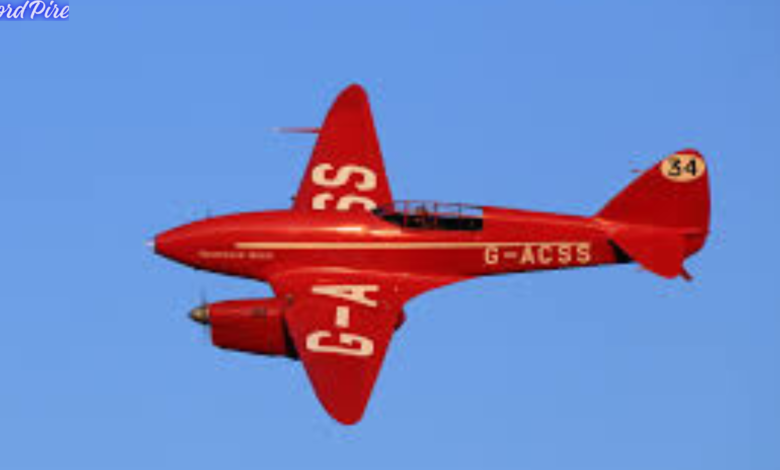
The de Havilland Comet DH 88 is a legendary British aircraft celebrated for its remarkable speed, engineering innovation, and racing success. Developed by the de Havilland Aircraft Company, it was specifically designed to compete in the 1934 MacRobertson Air Race, a grueling contest from England to Australia. Its lightweight structure, aerodynamic design, and powerful engines made it an instant icon in the aviation world.
This aircraft symbolised British ingenuity and determination during a period when long-distance air races were a benchmark of technological achievement. Pilots, engineers, and aviation enthusiasts admired the DH 88 for its blend of speed, reliability, and endurance. Its legacy continues to inspire historians and aviation fans, demonstrating the golden age of pioneering flight.
History of the de Havilland Comet DH 88
The origins of the de Havilland Comet DH 88 date back to a high-profile competition intended to showcase advanced British aviation. Commissioned for the 1934 England–Australia MacRobertson Air Race, the aircraft needed to be fast, durable, and efficient over long distances. Designers focused on reducing weight while maximising engine performance, resulting in a highly specialised twin-engine aircraft.
The DH 88 first took to the skies in 1934 and quickly attracted attention for its sleek design and impressive capabilities. It was flown by some of the era’s most skilled pilots, completing multiple challenging races and long-distance flights. Its historical importance is well-documented, making it a symbol of British aviation excellence during the 1930s.
Design and Engineering Features
The de Havilland Comet DH 88 was built with twin de Havilland Gipsy Six engines, providing exceptional power relative to its lightweight airframe. Its fuselage was aerodynamically designed to reduce drag, while the elliptical wings enhanced stability at high speeds. The aircraft accommodated a two-person crew and was optimised for navigation, comfort, and operational efficiency during lengthy flights.
Several innovative features set the DH 88 apart from other 1930s aircraft. These included retractable landing gear, a streamlined wooden structure, and precision-engineered controls. The combination of speed, manoeuvrability, and endurance allowed it to outperform competitors in both races and test flights. Aviation historians often cite its design as a key inspiration for subsequent twin-engine aircraft.
Achievements and Record-Breaking Races

The de Havilland Comet DH 88 is most famous for winning the 1934 MacRobertson Air Race from England to Australia. Piloted by Jim Mollison and navigated expertly, the DH 88 completed the journey faster than any other competitor, setting a new standard for long-distance aviation. Its victory brought international acclaim and cemented its status as a technological marvel of the era.
Beyond this legendary race, the DH 88 achieved multiple speed records and demonstrated unparalleled reliability in demanding conditions. Its performance proved the potential of combining lightweight engineering with powerful engines, influencing both civilian and military aircraft design. The aircraft remains an enduring symbol of innovation, speed, and competitive excellence in aviation history.
Restoration and Preservation
Several de Havilland Comet DH 88 aircraft have been carefully restored and preserved for museums and airshows. Notable restorations include the “Black Magic” barn find, which underwent meticulous work to return it to airworthy condition. Preservation efforts at institutions like the Shuttleworth Collection and De Havilland Aircraft Museum highlight the cultural and historical significance of this iconic aircraft.
Modern displays and exhibitions allow aviation enthusiasts to witness the DH 88 either flying or on static display. These efforts ensure that future generations can appreciate the design, speed, and race-winning heritage of the de Havilland Comet DH 88. Restored aircraft often participate in historic airshows, delighting audiences and celebrating British engineering achievements.
Legacy and Influence on Aviation
The de Havilland Comet DH 88 had a lasting impact on aircraft design, particularly in twin-engine configurations and long-distance racing. Its innovative combination of aerodynamic design, lightweight construction, and powerful engines influenced subsequent aircraft models. Engineers studied its features to enhance performance, reliability, and efficiency in both commercial and military aviation projects.
Culturally, the DH 88 has become a celebrated symbol of British aviation history. Documentaries, literature, and exhibitions often feature its accomplishments, emphasising its pioneering role in the 1930s aviation scene. Its legacy continues to inspire pilots, engineers, and aviation enthusiasts worldwide, highlighting the importance of innovation, precision, and daring in early flight.
Conclusion
The de Havilland Comet DH 88 remains one of the most significant aircraft in British aviation history. Its record-breaking races, innovative design, and engineering brilliance set benchmarks for future aircraft. Through preservation efforts and public exhibitions, the DH 88 continues to inspire admiration, celebrating the golden age of aviation and cementing its place as a true icon of flight.
Frequently Asked Questions
What was the top speed of the de Havilland Comet DH 88?
The DH 88 could achieve speeds of approximately 382 km/h, making it one of the fastest aircraft of its era.
Who designed and built the DH 88 Comet?
The aircraft was designed and manufactured by the de Havilland Aircraft Company for competitive long-distance racing.
Which famous air race did the DH 88 Comet win?
It won the 1934 MacRobertson Air Race from England to Australia, securing international recognition.
Are any de Havilland DH 88 Comets still flying today?
Yes, a few restored aircraft are still operational and occasionally fly in airshows and exhibitions.
What makes the DH 88 Comet unique compared to other 1930s aircraft?
Its twin engines, lightweight wooden structure, aerodynamic design, and racing success set it apart from contemporaries.
Where can I see a DH 88 Comet on display?
The Shuttleworth Collection and the De Havilland Aircraft Museum in the UK are prominent locations.
How did the DH 88 influence modern aviation?
Its design and engineering principles influenced subsequent aircraft, particularly in twin-engine performance and long-distance flight reliability.
Also Read: gurpreet narwan wikipedia