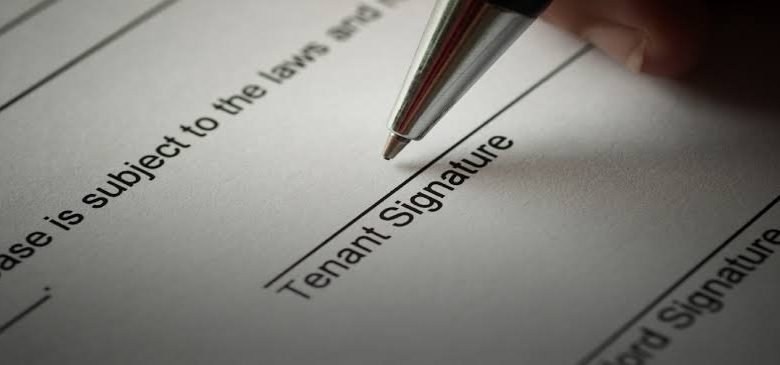
Finding a rental home you like can feel like a race, especially when demand is high. It is tempting to sign the tenancy agreement as quickly as possible to secure the property. However, the agreement is a legally important document that sets out your rights, your responsibilities and what happens if things go wrong. Taking time to read and understand it can save you money, stress and disputes later. This guide explains what tenants should check before signing, with a focus on renting in England.
Read the Whole Agreement
It sounds obvious, but many tenants only skim the tenancy agreement. Read every section carefully and ask questions about anything you do not understand. If terms seem unclear or unusual, ask the landlord or agent to explain them in writing. You are entitled to understand exactly what you are agreeing to.
Check the Basic Details
Make sure the agreement correctly states:
- The names of all tenants and the landlord
- The full address of the property
- The start date of the tenancy
- The rent amount, how often it is paid and the payment method
- The deposit amount
- Contact details for the landlord or managing agent
Errors in these details can cause problems later, so correct them before signing.
Understand the Type of Tenancy
In England, the Renters’ Rights Act has changed how most private tenancies work. Most new tenancies are now periodic, meaning they continue on a rolling basis rather than ending after a fixed term. Tenants can usually end the tenancy by giving two months’ notice, while landlords must rely on specific legal grounds to end it. Landlords are also required to provide key information about the tenancy in writing. Ask the landlord or agent to confirm how your tenancy works under the current rules.
Check the Deposit and Upfront Payments
In England, tenancy deposits are capped at five weeks’ rent where the annual rent is below £50,000. Holding deposits, used to reserve a property while checks are carried out, are capped at one week’s rent. Most other fees charged to tenants are banned under the Tenant Fees Act.
Your deposit must be protected in a government-approved scheme within 30 days, and you should receive information explaining which scheme holds it. Keep this information safe, as you will need it at the end of the tenancy.
Know How Rent Increases Work
Under current rules in England, rent can only be increased once a year through a formal process, and you have the right to challenge an increase you believe is above market rent. Check that the agreement does not contain terms that conflict with these rules.
Understand Repairs and Maintenance
The agreement should make clear who is responsible for different types of repairs. Landlords are generally responsible for the structure and exterior of the property, as well as heating, hot water, gas, electrics, sanitation and drainage. Tenants are usually responsible for minor tasks such as changing light bulbs and keeping the property clean.
Check how to report repairs, who to contact in an emergency and what response times you can expect.
Check the Rules on Pets, Guests and Subletting
Look for clauses about pets, overnight guests, smoking, decorating and subletting. Tenants in England now have the right to request to keep a pet, and landlords cannot unreasonably refuse, but you should still make a formal request and get permission in writing.
Review the Inventory
An inventory records the condition of the property and its contents when you move in. It is crucial evidence if there is a disagreement about deductions from your deposit at the end of the tenancy.
Check the inventory carefully on moving day. Take your own date-stamped photographs and videos of every room, and report any errors or existing damage in writing as soon as possible.
Check Safety Documents
Before moving in, you should receive key safety and information documents, including:
- A current gas safety certificate, if the property has gas appliances
- An Energy Performance Certificate
- An electrical safety report
- The government’s How to Rent guide or equivalent information required at the time
Also check that smoke alarms and, where required, carbon monoxide alarms are fitted and working.
Understand Bills and Council Tax
Find out which bills are included in the rent and which you must pay yourself. These may include council tax, energy, water, broadband and TV licensing. Ask for estimates of typical monthly costs so you can budget accurately.
Watch Out for Unfair Terms
Be cautious of clauses that seem one-sided, such as requiring you to pay for all repairs or allowing the landlord to enter without notice. Terms that conflict with your legal rights may not be enforceable. If in doubt, seek advice from an organisation such as Citizens Advice or Shelter.
Final Thoughts
A few careful checks before signing can protect you throughout your tenancy and help you enjoy your new home with confidence. If you are looking to rent on the Sefton coast, the local estate & lettings agent in Southport can guide you through the tenancy agreement, explain your rights and responsibilities and help you settle into your new home smoothly.