Oleander nerium oleander is a striking evergreen shrub or small tree widely admired for its vibrant flowers and glossy foliage. Known for its ability to thrive in temperate and subtropical climates, this plant is a favourite among gardeners in the UK seeking low-maintenance, ornamental greenery. Its long-lasting blooms and dense foliage make oleander nerium oleander ideal for creating eye-catching garden features or hedges.
This versatile plant not only enhances garden aesthetics but also contributes to landscaping projects with its durable nature. Oleander nerium oleander can be grown in a variety of settings, from private gardens to public parks, offering a combination of beauty and resilience. Its fragrant flowers and evergreen leaves ensure it remains attractive throughout the year.
History and Origin of Oleander Nerium Oleander
Oleander nerium oleander originates from the Mediterranean region, northern Africa, and parts of Asia. Historically, it has been cultivated in gardens for centuries due to its ornamental value and adaptability. The plant’s cultural significance is reflected in art and literature, where its vibrant flowers often symbolise beauty, resilience, and elegance.
In Europe, including the UK, oleander nerium oleander became a popular choice for garden decoration. Its hardy nature allowed it to withstand diverse climates, making it a practical and beautiful option for landscapes. Over time, gardeners have selected various cultivars for flower colour, hardiness, and growth habits, further enhancing its appeal.
Characteristics of Oleander Nerium Oleander Plant
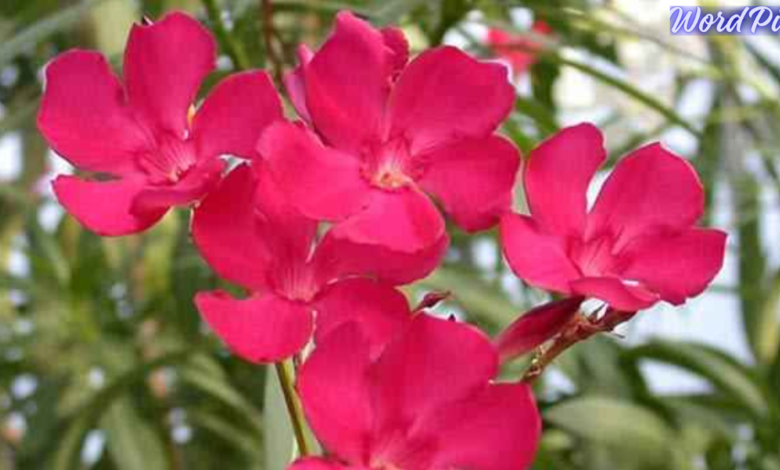
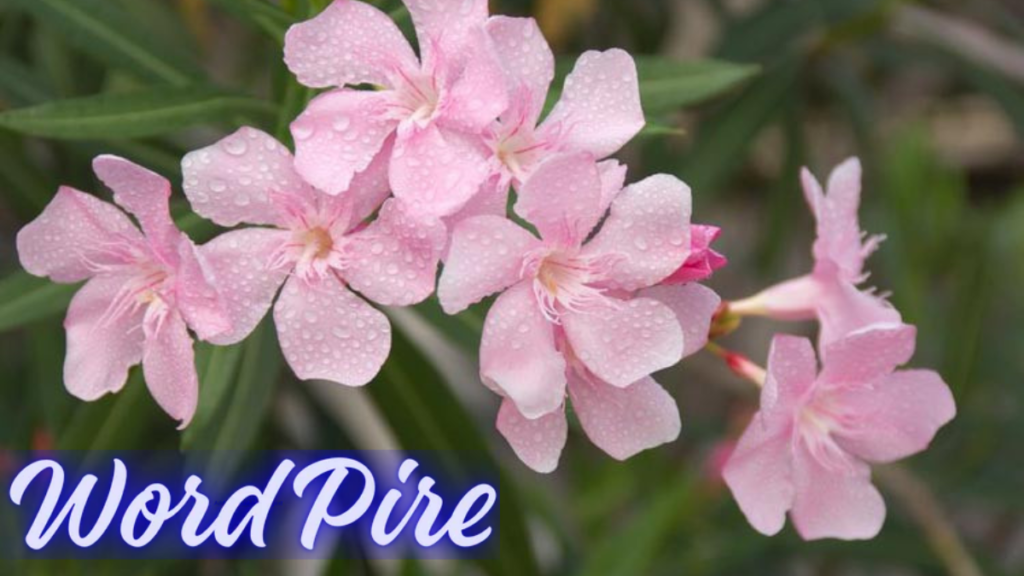
The oleander nerium oleander plant is known for its evergreen foliage, reaching heights of up to six metres in ideal conditions. Its narrow, glossy leaves are arranged in pairs or whorls along the stems, providing a dense, lush appearance. The flowers of oleander nerium oleander can range from white and pink to red and yellow, blooming profusely during the summer months.
Oleander nerium oleander grows in a rounded or upright habit, making it suitable for standalone features or hedges. Its resilient nature allows it to tolerate heat, drought, and poor soil conditions. These characteristics make the plant a reliable choice for UK gardeners seeking ornamental greenery that requires minimal maintenance yet offers maximum visual impact.
Growing Oleander Nerium Oleander
Growing oleander nerium oleander successfully requires well-draining soil and a sunny location. The plant is adaptable but thrives best when given full sunlight and protection from cold, harsh winds. Regular watering during the initial growth period ensures strong roots, although established oleander nerium oleander plants are drought-tolerant and can withstand dry conditions.
Gardeners can plant oleander nerium oleander directly in the ground or in large containers, making it suitable for patios or terraces. Pruning after flowering encourages bushier growth and more abundant blooms, while removing dead or damaged branches ensures the plant maintains a healthy appearance. Its adaptability makes it ideal for both formal and informal garden designs.
Caring for Oleander Nerium Oleander
Caring for oleander nerium oleander involves minimal effort but requires attention to certain details. Regular pruning helps maintain its shape and encourages vigorous flowering. Fertilising with a balanced, slow-release feed during the growing season supports healthy foliage and vibrant blooms, allowing oleander nerium oleander to reach its full potential.
While generally pest-resistant, oleander nerium oleander can occasionally be affected by aphids or scale insects. Ensuring proper spacing and good air circulation reduces the risk of fungal infections. With regular maintenance, this hardy plant remains an attractive and reliable feature in gardens, contributing colour, fragrance, and structure throughout the seasons.
Oleander Nerium Oleander Toxicity and Safety
Oleander nerium oleander contains toxic compounds in all parts of the plant, making it potentially harmful if ingested by humans or pets. Gardeners should always wear gloves when handling the plant and take care to keep children and animals away from leaves, stems, and flowers. Awareness of these risks is essential for safe cultivation.
Symptoms of oleander nerium oleander poisoning can include nausea, vomiting, dizziness, and irregular heartbeats. Immediate medical attention is necessary in severe cases. Despite its toxicity, the plant is safe to grow in gardens with responsible care. Gardeners can enjoy its ornamental beauty while minimising risk by following proper safety measures.
Uses and Benefits of Oleander Nerium Oleander
Oleander nerium oleander is primarily grown for ornamental purposes, making it an excellent choice for hedges, borders, and decorative garden features. Its evergreen foliage and profuse flowering enhance aesthetic appeal while providing low-maintenance beauty. The plant’s drought tolerance also makes it environmentally friendly, reducing water usage in gardens.
Beyond aesthetics, oleander nerium oleander serves functional purposes, such as providing natural screens or privacy barriers. Its dense foliage helps reduce noise, create shaded areas, and improve garden structure. These qualities make oleander nerium oleander a versatile plant that combines practical benefits with long-lasting decorative value.
Conclusion
Oleander nerium oleander is a resilient and visually striking plant that enriches UK gardens with colour, fragrance, and greenery. Its hardiness, adaptability, and low maintenance make it a favourite for gardeners seeking ornamental yet practical shrubs. By following safe handling practices, gardeners can enjoy its beauty without worry.
Growing oleander nerium oleander ensures a combination of elegance, resilience, and functionality in landscapes. Whether used for hedging, decorative planting, or container gardening, its vibrant flowers and evergreen leaves make it an enduring choice that continues to captivate gardeners across the UK.
Frequently Asked Questions
What is oleander nerium oleander?
Oleander nerium oleander is an evergreen shrub or small tree known for its vibrant flowers and glossy foliage, commonly used in gardens for ornamental purposes.
How do I plant oleander nerium oleander in the UK?
Plant in well-draining soil with full sunlight, and protect young plants from frost. Water regularly until established.
Is oleander nerium oleander poisonous?
Yes, all parts are toxic to humans and pets if ingested. Handle with care and wear gloves when pruning.
How often should I water oleander nerium oleander?
Water regularly during dry periods, especially for young plants. Once established, it is drought-tolerant.
Can oleander nerium oleander survive UK winters?
Yes, it can survive mild frost if planted in a sheltered location. Some cultivars are hardier than others.
Also Read: Fabbri Amarena Cherries