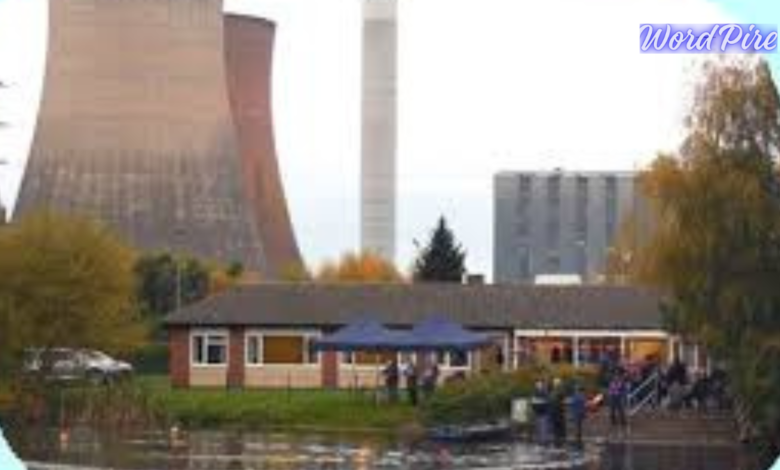
Rugeley Power Station has been one of the most recognisable industrial landmarks in Staffordshire for decades. Situated near the River Trent, the site once dominated the local skyline with its vast structures and cooling towers, symbolising Britain’s reliance on coal-fired energy during the twentieth century. For residents of Rugeley, the power station was not only a workplace but also a defining feature of the town’s identity.
Even after its closure, Rugeley Power Station has continued to attract attention due to its dramatic demolition and ambitious redevelopment plans. Interest has grown around how the former industrial site is being transformed, reflecting wider changes in the UK’s energy strategy, environmental priorities, and approach to regional regeneration.
Rugeley Power Station History
The history of Rugeley Power Station is closely linked to Britain’s post-war industrial expansion. Construction of the original facilities began in the mid-twentieth century, with the aim of meeting rising electricity demand across the Midlands and beyond. Over time, additional capacity was added, making the site a key contributor to the national grid.
For many years, Rugeley Power Station supported hundreds of jobs and played a central role in the local economy. Generations of families were connected to the site through employment, apprenticeships, and associated industries. Its presence shaped daily life in Rugeley, influencing housing growth, transport links, and the character of the surrounding area.
Closure of Rugeley Power Station
The closure of Rugeley Power Station marked the end of an era for the town and the wider region. Growing environmental concerns, stricter emissions regulations, and the declining viability of coal-fired power all contributed to the decision to cease operations. These factors reflected a national shift away from coal towards cleaner and more sustainable energy sources.
When the station finally closed, reactions were mixed. Some welcomed the environmental benefits and the opportunity for change, while others mourned the loss of a familiar landmark and a major employer. The closure highlighted the challenge faced by many industrial communities as they adapt to economic and technological transitions.
Rugeley Power Station Demolition
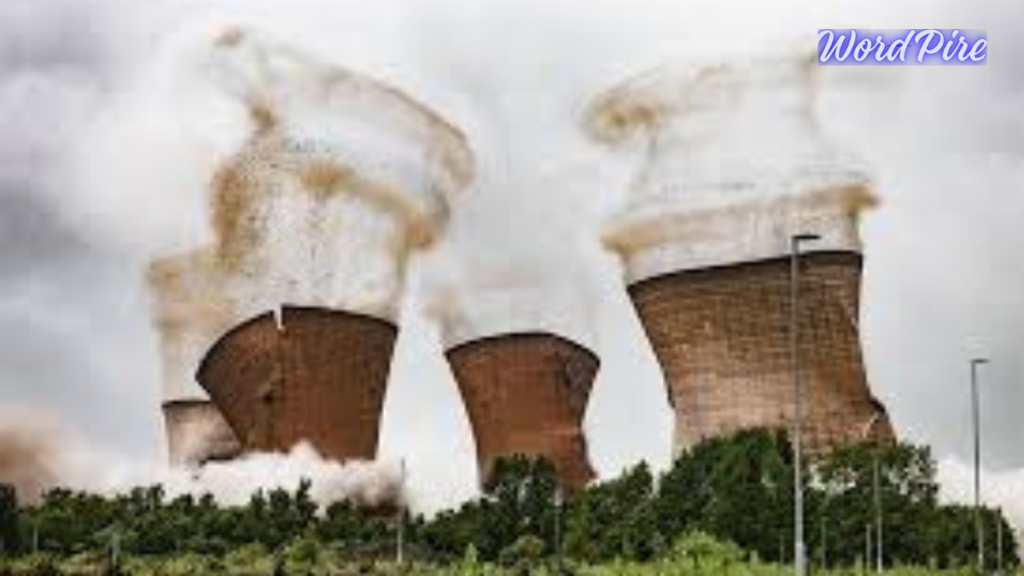
The demolition of Rugeley Power Station became a highly anticipated event, drawing attention from across the UK. Years of planning went into ensuring the process was carried out safely, with minimal disruption to nearby communities and the environment. The scale of the structures required specialist expertise and careful coordination.
One of the most striking moments was the controlled demolition of the cooling towers, which had long defined the town’s skyline. Images and videos of Rugeley Power Station being brought down circulated widely, capturing public imagination and marking a symbolic break from the area’s industrial past.
Rugeley Power Station Demolition Timeline
Demolition followed a phased timeline rather than a single event. Initial stages focused on decommissioning machinery, removing hazardous materials, and preparing the site for major structural work. This careful approach was essential to manage environmental risks and ensure compliance with safety regulations.
Later stages included the removal of large-scale structures and the final clearance of the site. The gradual disappearance of Rugeley Power Station transformed the landscape, opening up new possibilities for land use and setting the stage for future development that would redefine the area.
Rugeley Power Station Redevelopment Plans
Redevelopment plans for the former site aim to turn Rugeley Power Station into a hub of modern activity and economic growth. The vision focuses on creating a balanced mix of commercial, industrial, and community-focused uses that align with contemporary needs and sustainability goals.
This redevelopment is seen as a major opportunity for Rugeley and the surrounding region. By attracting investment and supporting new industries, the transformation of Rugeley Power Station is expected to generate long-term benefits, including job creation and improved infrastructure.
Rugeley Power Station Housing Development
Housing development forms an important element of the site’s regeneration strategy. New residential areas are designed to meet local demand while supporting wider growth objectives. This approach recognises the need for well-planned communities rather than isolated developments.
Plans for housing associated with Rugeley Power Station place emphasis on accessibility, green spaces, and integration with existing neighbourhoods. By considering transport, services, and environmental impact, the development aims to enhance quality of life for both new and existing residents.
Businesses and Landmarks Around Power Station Road
Power Station Road has evolved significantly as redevelopment has progressed. The area now supports a range of businesses that serve local residents and contribute to the economy. These changes illustrate how former industrial zones can be successfully repurposed.
The presence of major employers and retail outlets near the former Rugeley Power Station site has strengthened the area’s role as a centre for employment and services. This transformation demonstrates the lasting influence of the power station on local development patterns, even after its physical removal.
Economic and Community Impact of Redevelopment
The redevelopment of the Rugeley Power Station site has had a notable impact on employment and investment. Construction work alone has created jobs, while completed developments are expected to support a range of long-term roles across different sectors.
Community involvement has been a key part of the process, with consultations helping to shape outcomes that reflect local priorities. This engagement has helped build confidence that the transformation of Rugeley Power Station will deliver inclusive and sustainable growth rather than short-term gains.
Environmental Considerations and Regeneration
Environmental remediation has been central to the regeneration of the former power station site. Cleaning land previously used for coal-fired energy production is a complex task, but it also provides an opportunity to restore ecosystems and reduce long-term environmental risks.
The regeneration of Rugeley Power Station aligns with the UK’s broader commitment to sustainability and net-zero targets. By replacing a coal-based facility with modern, efficient developments, the project represents a positive step towards a cleaner and more resilient future.
Conclusion
Rugeley Power Station has undergone a profound transformation, reflecting wider changes in energy production, environmental awareness, and economic development. From its origins as a coal-fired powerhouse to its dramatic demolition and ambitious redevelopment, the site tells a story of adaptation and renewal.
As regeneration continues, the legacy of Rugeley Power Station remains deeply embedded in the identity of the town. Its future promises new opportunities while preserving the memory of a structure that once played a vital role in powering the region and shaping local life.
Frequently Asked Questions
When did Rugeley Power Station close?
Rugeley Power Station closed in 2016 after decades of operation.
When was Rugeley Power Station demolished?
The main demolition of Rugeley Power Station took place in 2021.
Who carried out the Rugeley Power Station demolition?
Brown and Mason were responsible for the demolition of Rugeley Power Station.
What replaced Rugeley Power Station?
The site is being redeveloped for housing, commercial, and industrial use.
Is there housing development on the Rugeley Power Station site?
Yes, the site includes new housing as part of the redevelopment plan.
Why was Rugeley Power Station blown up?
It was demolished to safely clear the site for redevelopment.
What businesses are located on Power Station Road, Rugeley?
Power Station Road hosts Greggs, Tesco, Amazon, and other commercial outlets.
What role did Brown and Mason play in the demolition?
They managed the controlled demolition of towers and other structures on-site.
Also Read: Alliaria petiolata

