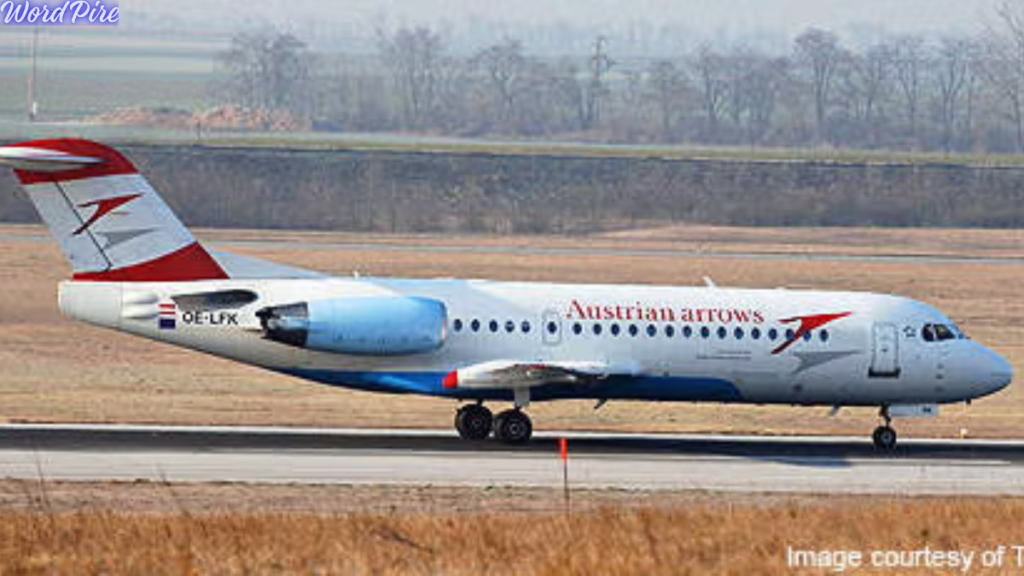
The Fokker F70 is a remarkable regional jet that has carved its place in European and global aviation. Developed as a smaller and more agile counterpart to the Fokker F100, the Fokker F70 was specifically designed to meet the growing demand for short and medium-range air travel in the 1990s. Its compact design combined with high performance made it ideal for regional carriers.
Despite being produced by the now-defunct Dutch manufacturer Fokker, the Fokker F70 remains widely respected for its engineering excellence. With twin turbofan engines and a modern aerodynamic structure, it offered airlines a reliable and cost-effective solution. The aircraft’s efficiency, passenger comfort, and versatility contributed to its continued admiration among aviation enthusiasts and operators.
Fokker F70 Development and Design Background
The Fokker F70 was conceived as a response to the growing need for a regional jet that could serve smaller airports efficiently. The development focused on scaling down the Fokker F100, while preserving its performance and comfort. Engineers aimed to create a jet that balanced speed, range, and operational flexibility without compromising safety or reliability.
During development, the Fokker F70 incorporated advanced materials and improved aerodynamics to enhance efficiency. The Fokker F70 F100 development update highlighted lessons learned from the larger F100, resulting in a jet that could carry around 80 passengers comfortably while operating economically. These improvements allowed airlines to serve regional routes with high frequency, marking the Fokker F70 as a versatile aircraft.
Technical Specifications of the Fokker F70
The Fokker F70 is powered by two turbofan engines capable of producing efficient thrust for regional flights. Its fuselage measures approximately 31 metres in length, with a wingspan optimised for stability and performance. The aircraft’s maximum speed reaches over 900 km/h, while its cruising speed remains around 800 km/h, allowing it to cover a typical range of 2,700 km efficiently.
In comparison to other regional jets of its era, the Fokker F70 offered superior fuel efficiency and operational reliability. Its lightweight structure and optimised aerodynamics allowed airlines to reduce fuel consumption while maintaining strong performance. These specifications made the Fokker F70 an appealing choice for operators looking for cost-effective yet high-performing regional aircraft.
Fokker F70 Cockpit and Flight Deck Technology
The Fokker F70 cockpit was designed with pilot ergonomics and ease of operation in mind. Featuring modern avionics and a logically arranged flight deck, it reduced pilot workload during critical phases of flight. Standardised instruments allowed pilots to operate efficiently, while digital displays improved situational awareness and flight safety.
The cockpit also shares significant commonality with the Fokker F100, allowing pilots to transition easily between the two aircraft. Systems integration and flight control redundancy enhanced reliability, making the Fokker F70 a pilot-friendly aircraft. Airlines appreciated the combination of advanced technology and operational simplicity, which reduced training time and operational costs.
Cabin Layout and Passenger Experience
Passenger experience was a key focus during the Fokker F70’s design. The cabin was spacious for a regional jet, accommodating 80 to 85 passengers comfortably. Seats were ergonomically designed, providing adequate legroom for short and medium-haul flights. Noise reduction features and efficient air conditioning ensured a pleasant travel experience throughout the journey.
Airlines often customised the cabin layout to suit their route networks, with some opting for premium seating configurations. The Fokker F70’s smooth ride, quiet cabin, and functional interior design made it popular with travellers. Even decades after its introduction, passengers and aviation enthusiasts continue to admire the thoughtful design and comfort provided by this regional aircraft.
Operational History and Airline Service
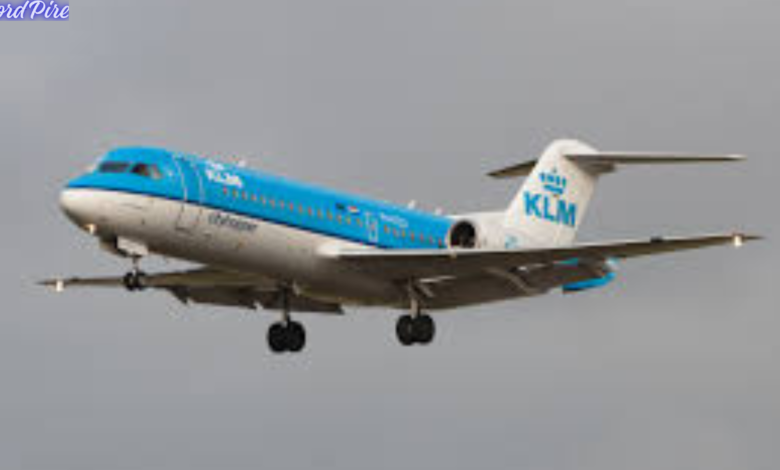
The Fokker F70 entered commercial service in the mid-1990s and quickly gained attention among European airlines. Notably, the KLM Fokker F70 became a central part of KLM’s regional operations, offering reliable service on short routes. Its combination of speed, efficiency, and passenger comfort made it a trusted aircraft for airlines operating in challenging environments.
Global operators continued to embrace the Fokker F70 for its adaptability and reliability. Airlines in Asia, Australia, and South America also integrated the aircraft into their fleets. Its continued operation beyond production highlights its engineering quality and the role it played in modernising regional air travel with a balance of efficiency and performance.
Fokker F70 vs Fokker F100: Key Differences
Although closely related, the Fokker F70 and F100 have important differences. The F70 is smaller, lighter, and designed for shorter routes, making it suitable for airports with limited runway length. Conversely, the F100 offers larger seating capacity and slightly greater range, catering to longer regional flights.
Operationally, airlines often preferred the Fokker F70 for its lower operating costs and flexibility. Its ability to serve high-frequency regional routes efficiently provided a competitive advantage. Despite its smaller size, the Fokker F70 maintained the performance and reliability standards that defined its larger sibling, making it a practical choice for many operators.
Maintenance, Reliability and Longevity
The Fokker F70 earned a strong reputation for reliability, thanks to robust engineering and well-planned maintenance requirements. Components were built for longevity, and parts availability remained manageable even after the manufacturer ceased operations. Specialist maintenance providers have extended the service life of many Fokker F70 aircraft around the world.
Operators valued the aircraft’s consistent performance and minimal downtime. With routine maintenance and careful operation, the Fokker F70 has maintained a strong safety record over decades of service. Its continued presence in certain fleets demonstrates the enduring quality and dependability of this regional jet design.
The Fokker F70 in Modern Aviation
Even today, the Fokker F70 maintains a place in aviation, both in commercial service and private or government operations. Its combination of performance, range, and reliability ensures it remains suitable for specific regional markets. Some operators continue to fly the aircraft for short-haul routes, while enthusiasts celebrate its historical significance.
The aircraft’s market value and rarity have increased over time, making it a sought-after model among collectors and aviation aficionados. Its legacy continues to influence regional jet design, and the Fokker F70 remains a benchmark for efficiency, comfort, and engineering excellence in regional aviation.
Conclusion
The Fokker F70 stands as an iconic regional aircraft that successfully combined efficiency, comfort, and operational flexibility. Its design, engineering, and performance ensured it served regional airlines effectively for decades. From the cockpit technology to passenger experience, the Fokker F70 left a lasting legacy that continues to inspire aviation professionals and enthusiasts alike.
Frequently Asked Questions
- How many Fokker F70 aircraft are still in service?
Around 40–50 Fokker F70 aircraft remain operational worldwide. - What is the range of the Fokker F70?
The Fokker F70 has a range of approximately 2,700 km. - What is the difference between the Fokker F70 and Fokker F100?
The F70 is smaller, lighter, and designed for shorter routes than the F100. - Is the Fokker F70 considered a rare aircraft?
Yes, the Fokker F70 is now considered a rare regional jet. - What airlines operated the KLM Fokker F70?
KLM Cityhopper primarily operated the Fokker F70 on regional routes. - What avionics are used in the Fokker F70 cockpit?
The Fokker F70 cockpit features modern digital avionics with standardised instrumentation. - When did the Fokker F70 first enter service?
The Fokker F70 entered service in October 1994.
Also Read: Class 43 Fleet List