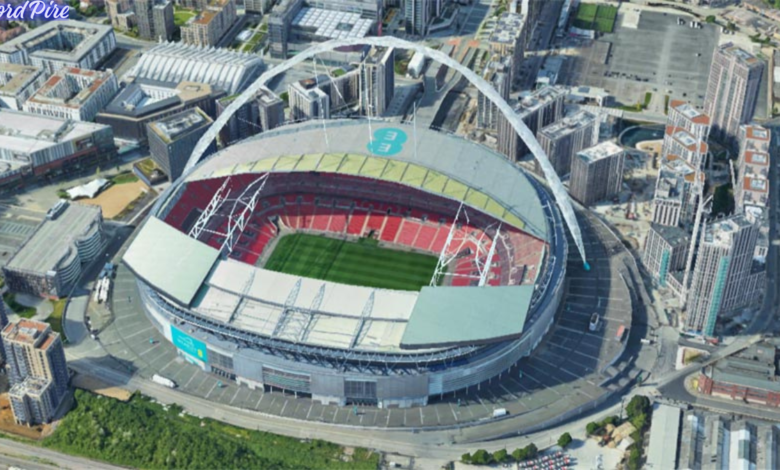
The largest stadiums in the UK are iconic structures that represent the country’s deep-rooted passion for sport, entertainment, and large-scale public events. These stadiums are not only places where matches are played, but also cultural landmarks that bring together communities, tourists, and global audiences. From football and rugby to concerts and national celebrations, these venues are central to British public life.
Across England, Scotland, and Wales, the size and capacity of a stadium often reflect its importance and historical significance. The largest stadiums in the UK have evolved over decades, adapting to modern safety standards, fan expectations, and technological advancements. Their ability to host tens of thousands of spectators safely and comfortably makes them some of the most impressive sporting venues in Europe.
Understanding Stadium Capacity in the UK
Stadium capacity in the UK refers to the maximum number of spectators a venue can officially accommodate during a standard event. This figure is carefully regulated and influenced by seating configuration, emergency access routes, and national safety guidelines. Most modern stadiums are all-seater, which has become the standard following major safety reforms in British sport.
It is also important to understand that capacity figures can change depending on the type of event being hosted. Football matches, rugby internationals, and live music concerts may all have different permitted attendance limits. As a result, when discussing the largest stadiums in the UK by capacity, figures usually relate to their standard sporting configuration rather than special event layouts.
Largest Stadiums in the UK by Capacity
When ranking the largest stadiums in the UK by capacity, Wembley Stadium consistently stands at the top. As the national stadium of England, it hosts major domestic finals, international fixtures, and global music events. Its size and modern design make it a benchmark for stadium development not only in the UK but worldwide.
Other major venues closely follow, including Twickenham Stadium, Old Trafford, and the Principality Stadium. These stadiums demonstrate how different sports contribute to the list of the ten largest stadiums in the UK. While football dominates overall, rugby venues play a vital role in shaping the upper end of stadium capacity rankings.
The Ten Largest Stadiums in the UK
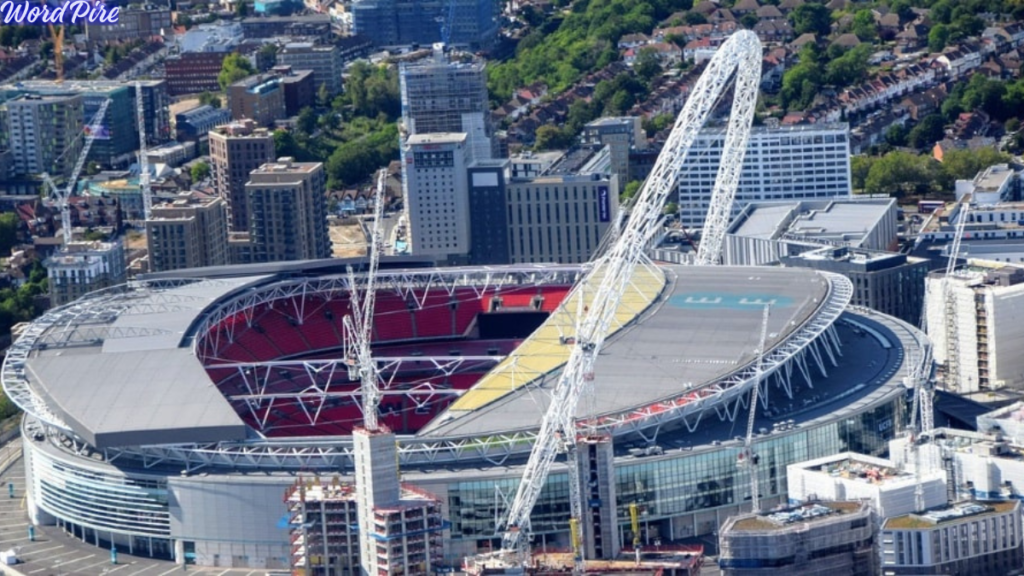
The ten largest stadiums in the UK include a mix of historic grounds and modern architectural achievements. Football stadiums such as Old Trafford, Tottenham Hotspur Stadium, and Emirates Stadium highlight the commercial power and popularity of club football across the country. These venues are designed to maximise capacity while offering premium facilities and enhanced fan experiences.
Stadiums in Scotland and Wales, such as Celtic Park and the Principality Stadium, underline the UK-wide nature of large-capacity venues. Their inclusion shows that the largest stadiums in the UK are not limited to England alone. Each stadium has a unique identity, shaped by its location, primary sport, and the supporters who fill its stands week after week.
Football and Rugby Stadium Dominance
Football stadiums make up the majority of the largest stadiums in the UK, reflecting the sport’s unmatched popularity and financial strength. Premier League and major club competitions generate consistent demand for large seating capacities, pushing clubs to expand and modernise their grounds. This demand has driven innovation in stadium design and matchday experience.
Rugby stadiums, particularly Twickenham and the Principality Stadium, also rank among the top venues by capacity. These stadiums are designed to host international tournaments and high-profile fixtures, often attracting fans from around the world. Their presence among the top 10 largest stadiums in the UK highlights the sport’s national significance and strong supporter base.
Multi-Purpose Use of Large UK Stadiums
Many of the largest stadiums in the UK are designed as multi-purpose venues, allowing them to host far more than sporting events. Concerts, cultural festivals, and large public gatherings are regularly held in these stadiums, increasing their economic and social value. This versatility helps justify the high costs associated with building and maintaining large-capacity venues.
The ability to adapt for different events often influences stadium design decisions, including retractable roofs, modular seating, and advanced pitch technology. These features ensure that the largest stadiums in the UK remain active throughout the year, rather than being used only during a sporting season, making them vital assets for their cities.
Future Developments of UK Stadiums
The future of the largest stadiums in the UK is closely linked to expansion plans and sustainability initiatives. Clubs and governing bodies are increasingly focused on improving energy efficiency, accessibility, and digital infrastructure. These developments aim to enhance the fan experience while meeting modern environmental standards.
Several stadiums are already considering capacity increases or major redevelopments, which could change the ranking of the 10 largest stadiums in the UK in the coming years. As demand for live events continues to grow, investment in stadium infrastructure will remain a priority, ensuring that UK venues stay competitive on the global stage.
Conclusion
The largest stadiums in the UK are more than just venues for sport; they are symbols of national pride, architectural achievement, and cultural unity. Their scale reflects the importance of live events in British society and the enduring popularity of football, rugby, and entertainment.
By understanding how capacity, design, and multi-purpose use shape these venues, it becomes clear why the largest stadiums in the UK hold such a prominent place in the country’s sporting landscape. As they continue to evolve, these stadiums will remain central to unforgettable moments and shared experiences for generations to come.
Frequently Asked Questions
What are the 10 largest stadiums in the UK?
The 10 largest stadiums in the UK are ranked by seating capacity, led by Wembley Stadium.
Which is the largest stadium in the UK by capacity?
Wembley Stadium in London is the largest stadium in the UK.
Are all the largest stadiums in the UK football stadiums?
No, some top stadiums are rugby or multi-purpose venues.
What is the largest rugby stadium in the UK?
Twickenham Stadium in London is the largest rugby stadium in the UK.
Which UK stadium has the highest capacity for concerts?
Wembley Stadium hosts the highest-capacity concerts in the UK.
Are there plans to build larger stadiums in the UK?
Yes, several clubs and councils have future expansion plans underway.
Do stadium capacities vary by event?
Yes, capacities can differ for football, rugby, or concerts depending on seating and layout.
Also Read: Algerian Armed Forces