Greenland is renowned for its vast icy landscapes and dramatic mountain ranges, but standing above them all is the highest mountain Greenland, Gunnbjørn Fjeld. Rising to 3,694 metres (12,119 feet), this peak dominates the Watkins Range and is recognised as the tallest mountain north of the Arctic Circle. Its remote location, extreme climate, and striking glacial surroundings make it one of the most awe-inspiring peaks on the planet, attracting climbers and geographers alike.
Beyond its sheer height, the highest mountain Greenland represents the raw, untamed beauty of the Arctic. The rugged terrain and surrounding glaciers make it a natural fortress of ice and rock, preserved from mass human activity. Often called the “Eighth Summit” by mountaineers, Gunnbjørn Fjeld symbolizes exploration, adventure, and the scientific importance of Arctic regions, making it a mountain that commands both respect and fascination.
Where the Highest Mountain Greenland Is Located
The highest mountain Greenland is located in the remote eastern part of Greenland within the Watkins Range. This region is characterised by steep valleys, dramatic cliffs, and expansive glaciers that stretch across the icy landscape. Being north of the Arctic Circle, Gunnbjørn Fjeld experiences extreme seasonal changes, with prolonged polar nights in winter and continuous daylight during summer months. Its isolation adds to its allure, making it one of the most challenging mountains to access in the Arctic.
East Greenland’s harsh environment surrounding the highest mountain Greenland contributes to its mystique. The area is rarely visited due to unpredictable weather, strong winds, and thick ice sheets that cover much of the terrain. Maps and satellite imagery are essential for expeditions, as the mountain sits among numerous glaciers and ice caps. Its location also provides unique opportunities for researchers studying Arctic geography, glacial activity, and climate patterns in the region.
Height and Geological Features of the Highest Mountain Greenland
Gunnbjørn Fjeld reaches an impressive 3,694 metres, securing its title as the highest mountain Greenland. Compared to other Greenlandic peaks, including Mont Forel and Ejnar Mikkelsen Fjeld, Gunnbjørn Fjeld towers above in both elevation and prominence. Its isolated position and striking form make it a major point of interest for mountaineers seeking remote Arctic challenges, as well as geographers studying the region’s topography.
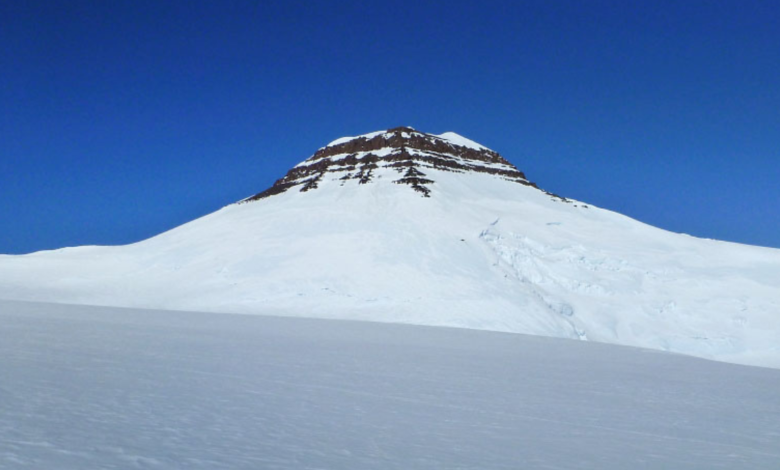
The mountain is classified as a nunatak, which is a peak that rises above surrounding glaciers and ice fields. Its geological composition is mainly basalt, with steep cliffs carved by millennia of glacial movement. Snow and ice cling to its slopes year-round, creating a dramatic contrast against dark rock surfaces. The highest mountain Greenland thus offers a vivid display of Arctic geological processes and glacial dynamics, making it a significant natural landmark.
Importance of the Highest Mountain Greenland in the Arctic
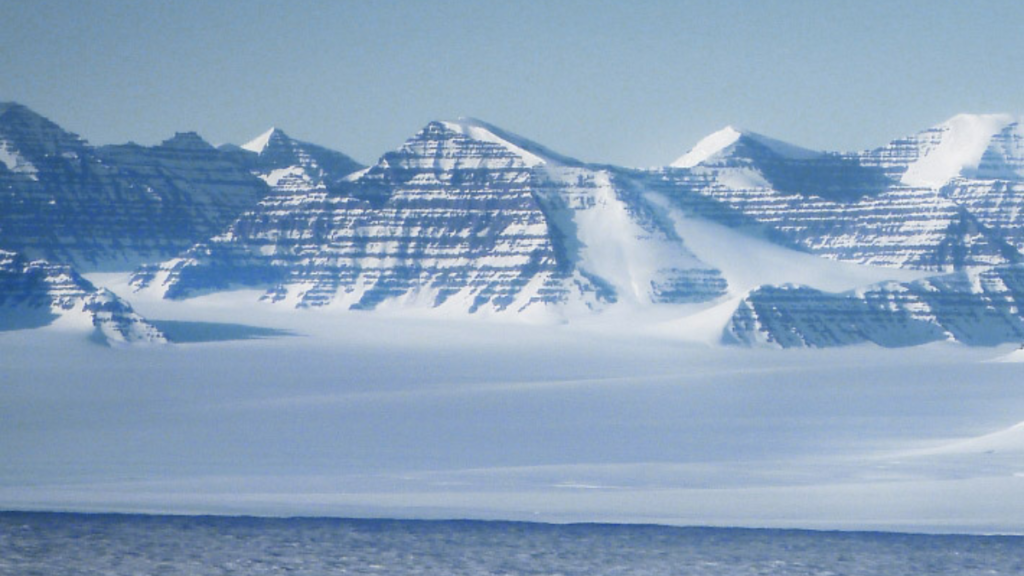
The highest mountain Greenland holds global significance due to its unique Arctic position. Being the tallest peak north of the Arctic Circle, Gunnbjørn Fjeld provides key insights into polar geography, climate science, and glacial studies. It is also recognised by Guinness World Records and other geographic authorities for its remarkable height and isolation, further highlighting its importance in Arctic exploration.
This mountain’s status also draws climbers from around the world seeking extreme adventures. Its remote and icy conditions present unique challenges, making it a symbol of Arctic endurance. Researchers and adventurers alike view the highest mountain Greenland as a benchmark for understanding polar climates, glacial retreat, and the effects of climate change in some of the most inaccessible regions on Earth.
History of Exploration and First Ascent
The history of the highest mountain Greenland is filled with tales of daring exploration and scientific discovery. Early mapping efforts by Danish and European explorers highlighted the Watkins Range, but the peak’s extreme isolation kept it largely untouched. The name Gunnbjørn Fjeld honours Arctic tradition, and modern explorers continue to respect the mountain’s challenging conditions.
The first successful ascent of the highest mountain Greenland was a remarkable achievement in Arctic mountaineering. Climbers had to navigate glaciers, steep ice slopes, and unpredictable storms. Today, guided expeditions allow adventurous mountaineers to experience the climb safely, with Icelandic Mountain Guides often leading teams to the summit. The mountain continues to inspire exploration and research, cementing its place as an iconic Arctic landmark.
Climbing the Highest Mountain Greenland
Climbing the highest mountain Greenland is a test of skill, endurance, and preparation. The Arctic environment requires climbers to contend with extreme cold, crevasses, and sudden weather shifts. Expeditions are carefully planned, often lasting several weeks, to accommodate both the harsh climate and the long journey to the remote Watkins Range. Only experienced mountaineers should attempt the climb due to its technical difficulty and isolation.
The best time to scale the highest mountain Greenland is during the brief Arctic summer, when the region experiences continuous daylight. Even during this period, temperatures remain low, and climbers must be equipped with specialised gear. Safety protocols, including knowledge of crevasse rescue and cold-weather survival, are essential. Guided tours provide structured support while preserving the natural environment, allowing adventurers to experience one of the most challenging and rewarding climbs in the Arctic.
Greenland’s Other Major Mountains
While Gunnbjørn Fjeld dominates as the highest mountain Greenland, the country is home to several other notable peaks. Mont Forel, Ejnar Mikkelsen Fjeld, and Qaqqaq Kershaw are significant in height and prominence, offering alternative climbing challenges. Despite this, none surpass Gunnbjørn Fjeld in elevation or global Arctic importance, making it the ultimate destination for climbers and geographers.
The Watkins Range, where the highest mountain Greenland is situated, is a collection of glaciers, nunataks, and rugged cliffs. These peaks contribute to the dramatic and scenic landscapes of East Greenland. The isolation of the region preserves its natural environment and allows scientists to study Arctic ecosystems, glacial behaviour, and the effects of climate change without significant human interference.
Environmental Importance and Climate Impact
The highest mountain Greenland plays a crucial role in understanding Arctic ecology and climate change. Its glaciers and ice caps are sensitive indicators of global warming, with melting patterns studied by researchers worldwide. Monitoring the region around Gunnbjørn Fjeld helps scientists track shifts in ice cover, temperatures, and environmental health, providing vital insights into the effects of climate change on the Arctic.
Sustainable exploration of the highest mountain Greenland is essential to preserving its fragile ecosystems. Environmental guidelines ensure that climbers and scientists minimise their impact while still conducting research or adventure activities. Protecting this pristine region maintains its natural beauty, allowing future generations to experience one of the world’s most remarkable Arctic peaks.
Conclusion
Gunnbjørn Fjeld, the highest mountain Greenland, stands as a symbol of Arctic grandeur and natural wonder. Its towering height, extreme isolation, and scientific significance make it one of the most remarkable peaks on Earth. From its geological formation to its challenges for climbers, the mountain represents both adventure and ecological importance. The highest mountain Greenland continues to inspire explorers, researchers, and nature enthusiasts alike, highlighting the majesty of Greenland’s Arctic landscapes.
Frequently Asked Questions
What is the highest mountain in Greenland?
Gunnbjørn Fjeld is the highest mountain in Greenland.
How tall is Gunnbjørn Fjeld in metres and feet?
It is 3,694 metres (12,119 feet) tall.
Where is the highest mountain Greenland located?
It is located in East Greenland in the Watkins Range.
Can tourists climb Gunnbjørn Fjeld?
Only experienced climbers can attempt guided expeditions.
Why is Gunnbjørn Fjeld called the Eighth Summit?
Because it is one of the Arctic’s most notable peaks.
Is Gunnbjørn Fjeld the highest mountain in the Arctic?
Yes, it is the tallest peak north of the Arctic Circle.
How cold does it get on Greenland’s highest mountain?
Temperatures often drop below -30°C in winter.
What is the best time of year to climb the highest mountain Greenland?
The Arctic summer is the safest climbing season.
How does Gunnbjørn Fjeld compare to Mont Forel?
Gunnbjørn Fjeld is taller and more prominent.
Is the highest mountain Greenland affected by climate change?
Yes, glacial melting around the mountain shows climate impact.
Also Read: Houses for Sale in Cwmavon Port Talbot