Introduction to Runlia
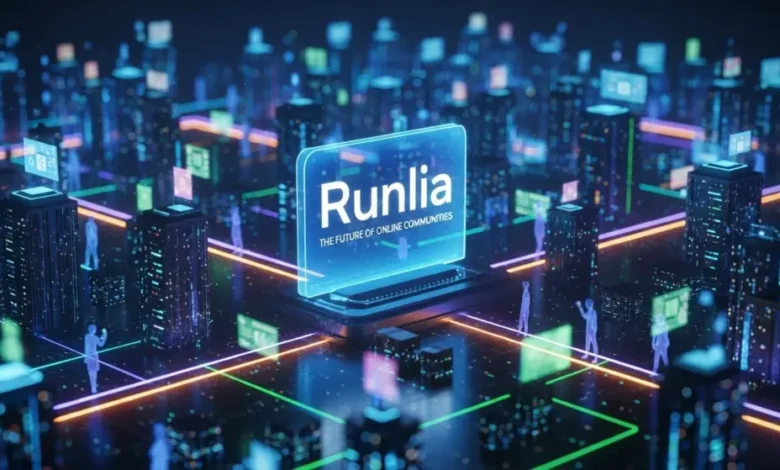
Runlia is an emerging digital term that has started gaining attention across online communities, branding discussions, and conceptual tech spaces. While it does not yet belong to a single established product or company, it is increasingly used as a flexible identity marker for platforms, tools, or systems that aim to combine simplicity with performance. In many cases, Runlia is interpreted as a modern, lightweight digital solution that prioritizes speed, accessibility, and user-centered design.
The idea of Runlia can be understood as part of a broader trend in the digital world where new names are created to represent adaptable ecosystems. These ecosystems often focus on improving how users interact with technology, whether through apps, web platforms, or hybrid services. Runlia fits naturally into this category because it carries a sense of movement, efficiency, and streamlined functionality.
From a branding perspective, Runlia also stands out because of its phonetic simplicity and modern tone. It sounds tech-friendly without being overly complex, which makes it suitable for startups, software tools, or even digital communities. Many modern digital identities are designed in this way to be memorable and globally adaptable.
Overall, Runlia can be seen as a conceptual framework rather than a fixed product. It represents ideas like progress, digital flow, and optimized performance. As the digital landscape continues to evolve, terms like Runlia often become placeholders for innovative solutions that may later develop into fully defined platforms or ecosystems.
Origins and Concept of Runlia
The origins of Runlia are not tied to a single historical event or organization, but rather to the modern trend of creating abstract digital identities. In today’s internet culture, names are often generated to represent flexible ideas that can be shaped over time. Runlia fits into this pattern as a term that feels both futuristic and adaptable.
Conceptually, Runlia is believed to represent a fusion of “run” and a stylized suffix that gives it a soft, brandable ending. This combination suggests motion, efficiency, and continuity. In digital interpretation, “run” often symbolizes execution, performance, or workflow, which aligns with how modern software systems operate in real-time environments.
Another important aspect of Runlia’s conceptual origin is its association with minimalistic design philosophy. Many modern tech frameworks aim to reduce complexity while improving user experience. Runlia, as a conceptual term, embodies this idea by suggesting a system that runs smoothly in the background without overwhelming the user with unnecessary complexity.
Additionally, Runlia can also be viewed as part of the linguistic evolution in tech branding. Over the past decade, companies and developers have increasingly preferred invented words that are easy to search, unique in domain availability, and flexible in meaning. Runlia reflects all of these characteristics, making it suitable for a wide range of digital applications.
Core Features Associated with Runlia
When discussing Runlia as a conceptual digital system, several core features are commonly associated with it. The first is simplicity in design and functionality. Runlia is often imagined as something that avoids unnecessary complexity, focusing instead on delivering core performance in a clean and efficient way. This makes it appealing for users who prefer intuitive systems.
The second feature is scalability. In modern digital environments, scalability is essential for any system or platform. Runlia, as a concept, is often linked with the ability to grow and adapt according to user demand. Whether applied to software, applications, or services, scalability ensures that the system remains stable even as usage increases.
Another key feature associated with Runlia is speed optimization. The name itself suggests motion and execution, which aligns with the idea of fast processing and responsive systems. In practical interpretation, Runlia could represent platforms that prioritize low latency and high performance, ensuring smooth user interactions.
Finally, Runlia is often connected with cross-platform adaptability. In today’s interconnected digital ecosystem, users expect tools to work seamlessly across devices such as smartphones, tablets, and desktops. Runlia is conceptually aligned with this expectation, representing a system that can function consistently across multiple environments without losing performance or usability.
Benefits of Using Runlia-Based Systems
One of the primary benefits associated with Runlia-based systems is improved user experience. Because the concept emphasizes simplicity and efficiency, users are less likely to encounter confusing interfaces or unnecessary steps. This leads to a smoother and more enjoyable interaction with the system, especially for beginners or non-technical users.
Another major benefit is productivity enhancement. Systems inspired by Runlia are typically designed to reduce friction in workflows. This means users can complete tasks faster, with fewer interruptions and more streamlined processes. In professional environments, this can significantly improve overall efficiency.
Runlia-based systems may also offer better resource management. Since the concept focuses on optimization, such systems are often designed to use fewer system resources while maintaining high performance. This is especially beneficial for users with lower-end devices or limited technical infrastructure.
Additionally, flexibility is another important advantage. Runlia is not tied to a rigid definition, which allows developers and designers to adapt it to different use cases. Whether applied in business tools, educational platforms, or creative applications, the flexibility of Runlia makes it a versatile concept in digital development.
Challenges and Limitations of Runlia
Despite its appealing conceptual framework, Runlia also comes with certain challenges and limitations. One of the primary challenges is ambiguity. Since Runlia does not refer to a single established product or system, its meaning can vary depending on context. This lack of clarity can sometimes create confusion among users or developers.
Another limitation is the lack of standardized implementation. Because Runlia is more of a conceptual idea than a defined technology, there is no universal framework or guideline for how it should be built or used. This can lead to inconsistent interpretations and varying levels of quality across different implementations.
A further challenge is market recognition. In the digital world, success often depends on strong branding and clear identity. Since Runlia is still emerging as a concept, it may struggle to establish itself against more recognized and established names in the tech industry. Building trust and recognition takes time and consistent application.
Lastly, scalability in real-world application can also be a concern. While Runlia is conceptually associated with scalability, translating that idea into actual systems requires strong technical architecture and development resources. Without proper Rádiem execution, the benefits of scalability and performance may not be fully realized.
Future of Runlia and Market Potential
The future of Runlia largely depends on how it is adopted by developers, startups, and digital innovators. If the concept continues to gain traction, it could evolve into a recognizable framework or even inspire real-world platforms that adopt its principles of simplicity, speed, and adaptability.
One possible future scenario is that Runlia becomes a branding foundation for lightweight software solutions. As more companies move toward minimalistic and efficient design systems, Runlia could serve as an identity for tools that prioritize performance over complexity. This would align well with current technology trends.
Another potential direction is its use in AI-driven systems. With artificial intelligence becoming more integrated into everyday tools, Runlia could represent a class of intelligent, self-optimizing platforms. These systems would automatically adjust performance based on user behavior, further reinforcing the idea of efficiency and adaptability.
From a market perspective, Runlia also holds potential as a startup-friendly brand identity. Because it is unique and not heavily saturated in the digital space, it offers opportunities for businesses to build strong and memorable branding around it. This could lead to its adoption in SaaS platforms, mobile applications, or even digital communities.
Conclusion
Runlia is best understood as a modern conceptual term that represents efficiency, simplicity, and adaptability in the digital world. While it does not yet have a fixed definition or established product identity, it reflects many of the key trends shaping today’s technology landscape.