Introduction to Foenegriek
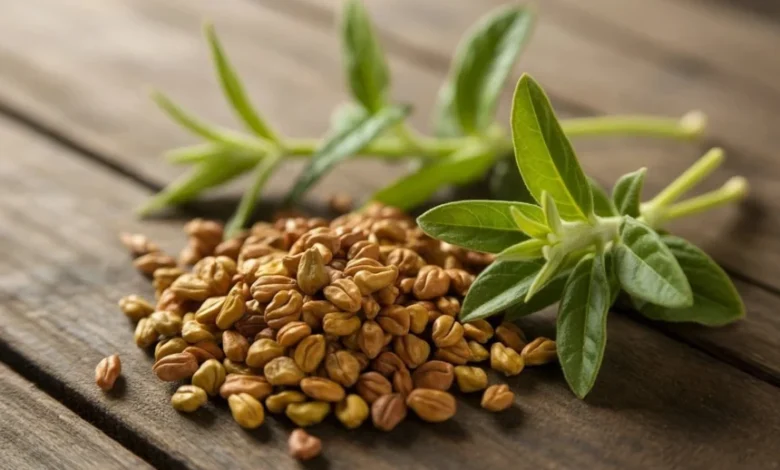
Foenegriek, commonly known as fenugreek in English, is a remarkable herb that has been used for thousands of years across different cultures. Known for its distinctive aroma, slightly bitter taste, and impressive nutritional profile, foenegriek has earned a respected place in traditional medicine, culinary practices, and modern wellness routines. Whether used as seeds, leaves, powders, or supplements, this versatile plant continues to attract attention from health enthusiasts and researchers alike.
The plant belongs to the legume family and is scientifically known as Trigonella foenum-graecum. It is native to regions of Asia, the Mediterranean, and parts of the Middle East. Over time, it has spread across the world due to its adaptability and valuable properties. Today, it is cultivated in many countries where it serves both medicinal and culinary purposes.
One of the reasons foenegriek remains popular is its broad range of applications. People use it to flavor food, support digestive health, promote healthy blood sugar levels, and even enhance hair and skin care routines. Its versatility makes it one of the most useful herbs available in natural health traditions.
As interest in natural remedies continues to grow, foenegriek has become increasingly relevant. Scientific studies are exploring many of the traditional claims associated with the herb, helping bridge the gap between ancient wisdom and modern research. This article explores everything you need to know about foenegriek, from its origins and nutritional value to its many health benefits and practical uses.
The History and Origins of Foenegriek
The history of foenegriek stretches back thousands of years. Archaeological evidence suggests that ancient civilizations cultivated and valued this herb long before modern agriculture developed. Historical records indicate that it was used in Ancient Egypt, Greece, and Rome for both medicinal and culinary purposes.
In Ancient Egypt, foenegriek seeds were considered highly valuable. They were often used in traditional remedies and were even found in some archaeological sites associated with burial practices. Egyptians appreciated the herb for its aroma and believed it possessed important healing properties.
The Greeks and Romans also recognized the value of foenegriek. The plant’s scientific name actually reflects its historical connection to Greek agriculture. Ancient writers documented its use as livestock feed, medicinal treatment, and food ingredient. These early uses helped establish the herb’s reputation throughout Europe and neighboring regions.
As trade routes expanded across Asia and the Middle East, foenegriek became increasingly widespread. It became a staple ingredient in many traditional cuisines and herbal medicine systems. Today, its rich historical legacy continues to influence how people use and appreciate the herb around the world.
Nutritional Profile of Foenegriek
One of the most impressive aspects of foenegriek is its nutritional richness. The seeds contain a variety of vitamins, minerals, fiber, and beneficial plant compounds that contribute to overall health and wellness.
Foenegriek seeds are particularly rich in dietary fiber. Fiber plays an important role in digestion, helping maintain regular bowel movements and supporting gut health. A diet rich in fiber may also contribute to improved cholesterol levels and better blood sugar management.
The seeds also contain important minerals such as iron, magnesium, manganese, phosphorus, and copper. These nutrients support numerous bodily functions, including energy production, bone health, and immune system performance. Iron, in particular, is essential for healthy red blood cell production and oxygen transport throughout the body.
In addition to vitamins and minerals, foenegriek contains powerful antioxidants and plant compounds. These substances help protect cells from oxidative stress and may contribute to the herb’s many reported health benefits. The combination of nutrients and bioactive compounds makes foenegriek a valuable addition to a balanced diet.
Health Benefits of Foenegriek
Foenegriek has been associated with numerous health benefits for centuries. While traditional uses often relied on observation and experience, modern research has begun to investigate the science behind these claims.
One commonly discussed benefit of foenegriek is its potential role in supporting healthy blood sugar levels. Some studies suggest that certain compounds found in the seeds may help improve glucose metabolism. This has made foenegriek a subject of interest among individuals looking for natural approaches to maintaining metabolic health.
Digestive support is another area where foenegriek has gained recognition. The fiber content in the seeds may help promote healthy digestion and support a balanced gut environment. Many people include foenegriek in their diets specifically to encourage digestive comfort and regularity.
The herb may also contribute to heart health. Certain studies suggest that its fiber and plant compounds may help support healthy cholesterol levels when combined with a nutritious lifestyle. Although more research is needed, these findings highlight the potential cardiovascular benefits associated with foenegriek consumption.
Another reason for the herb’s popularity is its potential anti-inflammatory and antioxidant properties. These characteristics may help support overall wellness by reducing oxidative stress and promoting healthy cellular function.
Foenegriek in Traditional Medicine
Traditional medicine systems around the world have incorporated foenegriek into their practices for generations. In many cultures, the herb is considered a valuable natural remedy with a wide range of applications.
In Ayurveda, one of the world’s oldest holistic healing systems, foenegriek has long been used to support digestion, metabolism, and general vitality. Practitioners often recommend it as part of broader wellness strategies designed to maintain balance within the body.
Traditional Chinese Medicine has also recognized the herb’s usefulness. It has been incorporated into various herbal formulations aimed at supporting specific bodily functions and promoting overall well-being. The exact applications may vary depending on the practitioner’s approach and individual needs.
Middle Eastern and North African traditions similarly value foenegriek. It is often prepared as teas, pastes, or dietary additions to support health and recovery. These practices demonstrate the herb’s long-standing cultural significance across diverse populations.
Despite differences in methodology, many traditional systems share a common appreciation for foenegriek’s versatility and perceived health-promoting properties. This widespread historical use continues to inspire modern research and interest.
Culinary Uses of Foenegriek
Foenegriek is a beloved ingredient in many global cuisines. Both the seeds and leaves contribute unique flavors and aromas that enhance a wide variety of dishes.
The seeds have a slightly bitter, nutty flavor that becomes more complex when roasted. They are commonly used in spice blends, curries, soups, and vegetable dishes. In many regions, a small amount of foenegriek can significantly influence the flavor profile of a recipe.
Fresh and dried foenegriek leaves are equally popular. They add a distinctive taste that complements meats, lentils, breads, and rice-based dishes. Many traditional recipes rely on these leaves to create authentic flavors that are difficult to replicate with other herbs.
Another interesting culinary application involves sprouting the seeds. Sprouted foenegriek offers a milder taste and can be added to salads, sandwiches, and health-focused meals. Sprouting may also enhance the availability of certain nutrients.
Because of its strong flavor, foenegriek is often used in moderation. However, when properly balanced, it contributes depth, complexity, and nutritional value to countless recipes around the world.
Foenegriek for Hair and Skin Care
Foenegriek has become increasingly popular in natural beauty routines. Many individuals use it as part of their hair and skin care regimens due to its nutrient-rich composition and traditional reputation.
For hair care, foenegriek seeds are often soaked and blended into a paste. This preparation is commonly applied to the scalp and hair as a conditioning treatment. Many users believe it helps improve hair texture and overall appearance.
The protein content of foenegriek contributes to its popularity among those seeking stronger-looking hair. Additionally, the seeds contain compounds that may support scalp health and hydration. These qualities have made foenegriek a common ingredient in natural hair masks and treatments.
In skin care, foenegriek is often used in homemade masks and cleansers. Its antioxidant content may help support healthy-looking skin while promoting a refreshed appearance. Some individuals also use it to soothe and moisturize the skin naturally.
Although results can vary from person to person, foenegriek remains a favorite ingredient in traditional beauty practices due to its accessibility and versatility.
How to Incorporate Foenegriek into Your Daily Routine
Adding foenegriek to your daily routine can be surprisingly simple. The herb is available in several forms, making it easy to find an option that suits your preferences and lifestyle.
One common approach is to use the seeds in cooking. They can be added to soups, curries, and spice blends to enhance flavor and nutritional value. Roasting the seeds before use often improves their taste and aroma.
Another option is to prepare foenegriek tea. Many people soak or boil the seeds in water and consume the resulting beverage. This traditional preparation remains popular among those seeking a convenient way to enjoy the herb.
Supplements provide an alternative for Repmold individuals who prefer a more concentrated form. Capsules, powders, and extracts are widely available in health stores. However, it is important to follow product guidelines and consult a healthcare professional when necessary.
Fresh or dried leaves can also be incorporated into meals. Whether added to breads, vegetables, or rice dishes, they offer both flavor and nutritional benefits. Consistent but moderate use often provides the best experience
Potential Considerations and Precautions
While foenegriek is generally considered safe for many individuals, it is important to approach its use responsibly. Understanding potential considerations can help ensure a positive experience.
Some people may experience digestive discomfort when consuming large amounts of foenegriek. Symptoms such as bloating or mild stomach upset can occur, particularly when the herb is introduced suddenly into the diet.
Individuals with allergies to legumes should exercise caution. Since foenegriek belongs to the legume family, allergic reactions may be possible in sensitive individuals. Anyone with a history of food allergies should consult a healthcare provider before use.
Pregnant individuals should seek medical guidance before using concentrated supplements. While culinary use is often considered acceptable, higher doses may require professional supervision.
Additionally, people taking medications for blood sugar management or other health conditions should discuss foenegriek use with their healthcare provider. This helps ensure that supplementation does not interfere with existing treatments.
The Growing Popularity of Foenegriek in Modern Wellness
The modern wellness movement has renewed interest in traditional herbs, and foenegriek is among the most prominent examples. Consumers increasingly seek natural options that support healthy lifestyles, making this ancient herb more relevant than ever.
Social media, health blogs, and wellness communities frequently discuss the potential benefits of foenegriek. This increased visibility has introduced the herb to new audiences who may not have encountered it through traditional cultural practices.
Scientific research has also contributed to growing interest. While many studies remain ongoing, preliminary findings have encouraged further exploration into the herb’s nutritional and functional properties. This combination of traditional knowledge and modern investigation continues to strengthen foenegriek’s reputation.
The availability of foenegriek products has expanded significantly as well. Consumers can now choose from seeds, teas, powders, extracts, beauty products, and supplements. This accessibility has made it easier than ever to incorporate the herb into daily life.
Conclusion
Foenegriek is far more than a simple culinary herb. With a history spanning thousands of years, a rich nutritional profile, and a wide range of traditional and modern applications, it has earned its place as one of the most respected natural ingredients in the world.