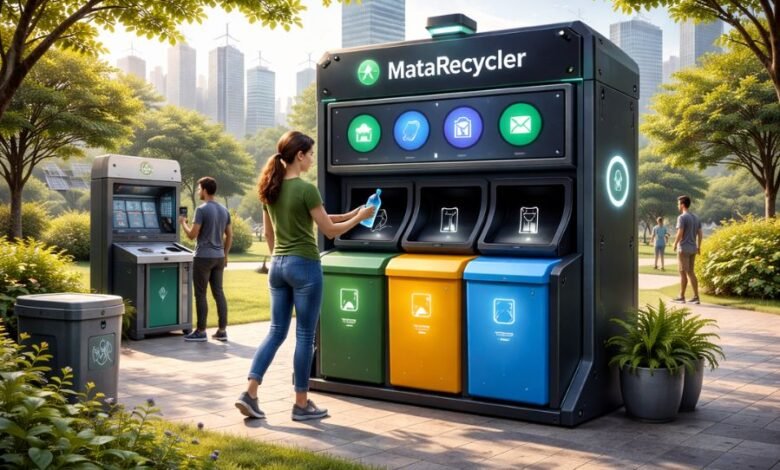
Introduction to Matarecycler
The world is producing more waste than ever before. Rapid urbanization, industrial growth, and increasing consumer demand have created significant challenges for waste management systems worldwide. In this evolving landscape, innovative solutions are becoming essential for reducing environmental damage and promoting sustainable practices. One concept that has gained attention is Matarecycler, a term increasingly associated with modern recycling initiatives, waste recovery systems, and environmentally responsible resource management.
Matarecycler represents more than just a recycling process. It symbolizes a broader approach to waste reduction, material recovery, and circular economy principles. By focusing on converting discarded materials into reusable resources, Matarecycler contributes to minimizing landfill usage and conserving valuable natural resources.
The growing interest in sustainable living has encouraged businesses, governments, and individuals to adopt recycling-oriented solutions. Matarecycler aligns perfectly with these efforts by promoting efficient collection, sorting, processing, and reuse of various materials. Whether dealing with plastics, metals, paper, or electronic waste, the underlying objective remains the same: keeping valuable materials in circulation for as long as possible.
As environmental awareness continues to rise, systems like Matarecycler are becoming increasingly important. They provide practical methods for addressing waste challenges while supporting economic development and environmental protection. Understanding the principles and benefits of Matarecycler helps individuals and organizations make informed decisions about waste management and sustainability.
Understanding the Core Principles of Matarecycler
At its foundation, Matarecycler is built on the concept of resource recovery. Traditional waste disposal methods often treat discarded materials as useless byproducts. In contrast, Matarecycler views waste as a valuable resource that can be processed and reintroduced into the production cycle.
One of the primary principles behind Matarecycler is reducing dependency on raw materials. Extracting natural resources requires significant energy, labor, and environmental impact. By recovering materials from waste streams, recycling systems can reduce the need for new extraction activities, helping preserve ecosystems and biodiversity.
Another important principle is waste minimization. Instead of allowing materials to accumulate in landfills, Matarecycler encourages the separation and recovery of recyclable components. This approach not only reduces landfill pressure but also lowers greenhouse gas emissions associated with waste decomposition.
Efficiency is another critical aspect. Modern recycling systems utilize advanced technologies such as automated sorting, artificial intelligence, optical scanners, and material recovery facilities. These technologies increase recycling rates and improve the quality of recovered materials, making them suitable for manufacturing new products.
Finally, Matarecycler emphasizes sustainability. Sustainability involves meeting current needs without compromising the ability of future generations to meet their own requirements. Through responsible waste management practices, Matarecycler supports long-term environmental and economic goals while encouraging responsible consumption habits.
The Importance of Recycling in the Modern World
Recycling has become one of the most effective strategies for addressing global environmental challenges. As populations grow and consumption increases, the amount of waste generated continues to rise. Without effective recycling systems, environmental degradation could accelerate significantly.
One major benefit of recycling is resource conservation. Materials such as aluminum, paper, glass, and plastic can often be recycled multiple times. Recovering these materials reduces the need for harvesting trees, mining metals, and extracting petroleum-based resources. This conservation effort helps preserve natural ecosystems and reduces environmental disruption.
Energy savings also play a crucial role. Manufacturing products from recycled materials typically requires less energy than producing them from raw resources. For example, recycled aluminum production uses significantly less energy compared to extracting and refining new aluminum from bauxite ore.
Recycling contributes to pollution reduction as well. Landfills can release harmful substances into soil and groundwater, while incineration can generate air pollutants. Effective recycling programs help divert waste from these disposal methods, reducing overall environmental contamination.
Economic benefits further highlight the importance of recycling. The recycling industry creates employment opportunities across collection, transportation, processing, manufacturing, and environmental services sectors. Matarecycler systems can stimulate local economies while promoting environmental responsibility.
How Matarecycler Supports the Circular Economy
The circular economy represents a major shift from traditional economic models. Conventional systems often follow a linear path of production, consumption, and disposal. This approach generates substantial waste and depletes finite resources. Matarecycler supports a circular economy by encouraging continuous material reuse.
In a circular economy, products and materials remain in use for as long as possible. Recycling serves as a critical mechanism for achieving this objective. Matarecycler helps recover valuable resources from discarded items and reintegrate them into manufacturing processes.
The circular model also encourages product design improvements. Manufacturers increasingly develop products with recyclability in mind. Materials are selected based on their ability to be recovered and reused efficiently. Matarecycler systems benefit from these design enhancements because they improve material recovery rates.
Another important aspect is extending product lifecycles. Through repair, refurbishment, remanufacturing, and recycling, products can remain economically useful for longer periods. This reduces waste generation and maximizes resource utilization.
Businesses adopting circular economy practices often experience cost savings and improved sustainability performance. Matarecycler provides a practical framework for supporting these objectives by facilitating efficient material recovery and reducing waste-related expenses.
Technologies Driving Matarecycler Innovation
Technology plays a vital role in the advancement of modern recycling systems. Matarecycler initiatives increasingly rely on innovative tools and processes to improve efficiency, accuracy, and sustainability.
Automated sorting systems are among the most important technological developments. These systems use sensors, cameras, and artificial intelligence algorithms to identify and separate different types of materials. Automation reduces contamination and increases recovery rates.
Robotic technology is also transforming recycling facilities. Advanced robots can identify recyclable items with remarkable precision and speed. This capability improves operational efficiency while reducing labor-intensive tasks.
Data analytics provides valuable insights into waste generation patterns and recycling performance. By analyzing data, organizations can optimize collection routes, improve sorting processes, and identify opportunities for increased material recovery.
Chemical recycling technologies offer additional possibilities. Unlike traditional mechanical recycling methods, chemical recycling breaks materials down into their fundamental components. This approach can process materials that are difficult to recycle using conventional techniques.
Digital platforms further enhance Matarecycler systems by connecting waste generators, recyclers, manufacturers, and consumers. Improved communication and coordination support more efficient resource management and strengthen recycling networks.
Environmental Benefits of Matarecycler
Environmental protection remains one of the most compelling reasons for adopting recycling-focused solutions. Matarecycler delivers numerous ecological benefits that contribute to a healthier planet.
Reducing landfill waste is a significant advantage. Landfills occupy valuable land and can generate environmental hazards over time. By diverting recyclable materials from disposal sites, Matarecycler helps preserve land resources and minimize environmental risks.
Lower greenhouse gas emissions represent another important benefit. Recycling often requires less energy than manufacturing products from virgin materials. Reduced energy consumption translates into lower carbon emissions, supporting climate change mitigation efforts.
Water conservation is also noteworthy. Many industrial processes consume large amounts of water. Recycling materials frequently requires less water than extracting and processing raw resources, helping conserve freshwater supplies.
Habitat preservation benefits from reduced resource extraction activities. Mining, logging, and drilling can damage ecosystems and threaten wildlife populations. By reducing demand for virgin materials, Matarecycler indirectly supports biodiversity conservation.
Additionally, recycling helps prevent litter and pollution from entering oceans, rivers, and natural landscapes. Cleaner environments contribute to healthier ecosystems and improved quality of life for communities worldwide.
Challenges Facing Recycling Systems
Despite its numerous advantages, recycling faces several challenges that can limit effectiveness. Understanding these obstacles is essential for improving systems like Matarecycler.
Contamination remains one of the most significant issues. When recyclable materials are mixed with non-recyclable waste, processing becomes more difficult and expensive. Public education plays a critical role in reducing contamination rates.
Market fluctuations can also impact recycling operations. Prices for recycled materials often vary based on supply, demand, and global economic conditions. These fluctuations can affect the financial viability of recycling programs.
Infrastructure limitations present another challenge. Some regions lack adequate collection systems, sorting facilities, or processing capabilities. Expanding recycling infrastructure requires substantial investment and long-term planning.
Consumer behavior influences recycling success as well. Effective recycling depends on public participation. Encouraging individuals to sort waste correctly and adopt sustainable habits remains an ongoing priority.
Technological limitations can affect certain materials. Some products are difficult to recycle due to complex compositions or contamination. Continued innovation is necessary to address these challenges and improve material recovery rates.
The Future of Matarecycler and Sustainable Waste Management
The future of Matarecycler appears promising as environmental awareness and sustainability initiatives continue to expand globally. Governments, businesses, and communities increasingly recognize the importance of responsible waste management practices.
Emerging technologies are expected to enhance recycling efficiency significantly. Artificial intelligence, machine learning, advanced robotics, and digital tracking systems will likely improve material identification and recovery processes.
Policy development will also play an important role. Many governments are implementing regulations that encourage recycling, reduce waste generation, and support circular economy initiatives. These policies create favorable conditions for recycling innovation.
Consumer expectations continue to Stay Updated Always TXEPC evolve. People are becoming more conscious of environmental issues and actively seeking sustainable products and services. This shift encourages organizations to adopt recycling-oriented business models and invest in waste reduction strategies.
International collaboration may further strengthen recycling efforts. Global partnerships can facilitate knowledge sharing, technology transfer, and coordinated sustainability initiatives that benefit communities worldwide.
As environmental challenges become increasingly complex, systems like Matarecycler will remain essential for promoting resource efficiency, reducing waste, and supporting sustainable development.
Conclusion
Matarecycler represents a forward-thinking approach to waste management that emphasizes resource recovery, sustainability, and environmental responsibility. By transforming waste into valuable materials, it supports the principles of the circular economy while helping reduce landfill usage, conserve resources, and lower pollution levels.