The construction industry is changing faster than ever as homeowners, businesses, and developers continue searching for smarter building solutions that save time, reduce costs, and support sustainable living. Traditional construction methods have dominated the market for decades, but they often come with expensive labor costs, long project timelines, material waste, and unexpected delays. As modern construction evolves, modular container houses have emerged as one of the most practical alternatives available today.
From residential housing and office spaces to temporary accommodations and commercial buildings, modular container houses are transforming the future of architecture. Their flexibility, affordability, and efficiency make them an excellent replacement for traditional construction methods in today’s rapidly changing world.
Faster Construction Compared to Traditional Methods
One of the biggest disadvantages of traditional construction is the amount of time required to complete a project. Building a conventional house can take several months or even years depending on the size of the structure, labor availability, weather conditions, and supply chain issues.
Modular container houses solve this problem by shifting much of the construction process to factory-controlled production facilities. Individual structural units are manufactured off-site while land preparation happens simultaneously.
Once the units are completed, they are transported and assembled quickly at the installation site. This process dramatically reduces overall project completion time and allows buyers to move into finished spaces much faster than traditional construction would allow.
For both homeowners and businesses, speed has become one of the biggest reasons modular housing continues gaining popularity.
Lower Construction Costs
Affordability is one of the strongest advantages of modular container houses. Traditional building projects often involve unpredictable expenses related to labor, raw materials, equipment rental, transportation, and project supervision.
Modular construction follows a far more efficient production system. Since manufacturing takes place inside controlled facilities, material waste is minimized and production becomes more cost-efficient.
Because construction time is shorter, buyers also spend less money on labor and project management. Lower overall costs make modular container houses highly attractive for families, property developers, and businesses operating on strict budgets.
As global housing costs continue rising, affordable modular housing offers a practical solution for long-term savings.
Sustainable and Environmentally Friendly Construction
Sustainability has become a major focus within the modern construction industry. Traditional building methods often generate significant waste through unused materials, excess packaging, and inefficient use of resources.
Modular container houses support eco-friendly construction by reducing waste during factory production while optimizing material usage. Many structures use recycled steel shipping containers, which helps reduce industrial waste and gives existing materials a second life.
In addition, modular homes often include environmentally friendly technologies such as solar energy systems, smart insulation, rainwater harvesting systems, and energy-efficient appliances.
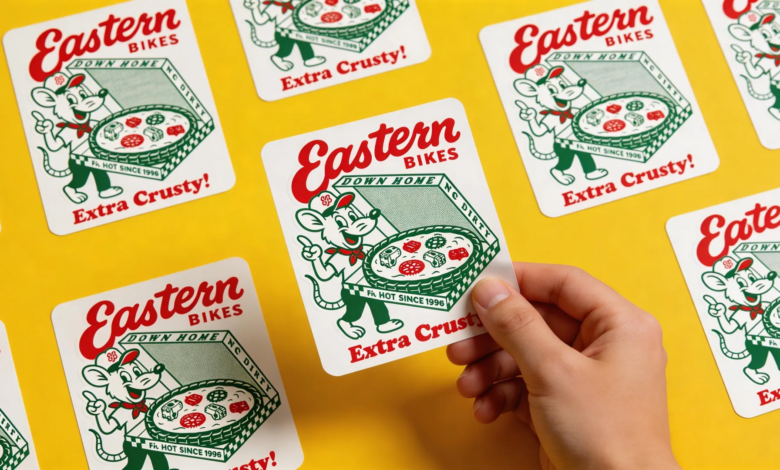
Interestingly, sustainability trends are also influencing industries beyond construction. Even businesses like a custom sticker manufacturer now focus on eco-friendly materials and sustainable production methods, showing how environmental awareness is shaping every industry.
Strong and Durable Building Materials
Durability plays an important role when investing in any type of property. Traditional homes require constant maintenance over time due to wear and tear caused by weather exposure and aging materials.
Modular container houses are typically built using high-strength steel structures designed to withstand harsh environmental conditions. Shipping containers themselves were originally engineered for heavy industrial transportation and extreme weather conditions.
This structural strength makes modular homes highly durable and long-lasting. Proper insulation, professional finishing, and quality engineering allow these homes to remain functional for decades with minimal maintenance.
For long-term property investments, durability adds tremendous value.
Flexible Designs for Modern Living
Many people assume modular container houses offer limited design options, but modern manufacturing has completely changed this perception.
Today, modular container homes can be customized to suit nearly any lifestyle or project requirement. Buyers can choose single-unit homes, multi-story family residences, office spaces, retail shops, hotels, vacation homes, worker accommodations, and temporary project facilities.
Interior layouts, exterior finishes, flooring materials, windows, room sizes, storage solutions, and architectural styles can all be personalized.
Customization has become important across many industries. For example, businesses working with a custom sticker manufacturer also prioritize personalized branding solutions because modern customers increasingly value unique designs tailored to their specific needs.
This same demand for personalization makes modular construction highly attractive to modern buyers.
Reduced Labor Dependency
One major challenge facing traditional construction is labor dependency. Skilled construction workers can be expensive and difficult to find, especially during large-scale development projects.
Modular construction solves much of this issue because factory production requires fewer on-site workers. Automated manufacturing systems improve production efficiency while reducing labor-related delays.
Smaller on-site assembly teams can complete installation quickly once structural units arrive at the destination.
Reducing labor dependency allows builders to complete projects more efficiently while maintaining better budget control.
Portable and Adaptable Structures
Unlike permanent traditional buildings, modular container houses offer impressive portability and flexibility. Structures can often be relocated, expanded, modified, or repurposed depending on changing needs.
This makes them ideal for temporary housing projects, mobile offices, educational facilities, remote workforce camps, healthcare units, and emergency shelters.
Adaptability has become essential in modern business as well. Even a custom sticker manufacturer benefits from flexible production systems that allow quick adjustments based on changing customer demands.
The same principle applies to modular construction, where flexibility creates long-term value.
The Future of Modern Construction
The construction industry is moving toward faster, smarter, and more sustainable building methods capable of meeting growing global demand. Modular container houses represent one of the strongest alternatives to traditional construction because they combine speed, affordability, durability, and environmental responsibility.
As technology continues improving, modular housing will become even more common across residential and commercial markets worldwide.
Modern buyers no longer want slow and expensive building methods when smarter solutions exist. Just as industries like a custom sticker manufacturer continue innovating production systems for efficiency, the housing industry is following the same path.
For anyone seeking practical long-term building solutions, modular container houses are proving to be the future of modern construction and one of the best alternatives to traditional building methods available today.