The success of a business is essential to having strong leadership. Leaders are essential for making decisions, leading teams, and reaching goals for organizations. But even the most seasoned leaders have their difficulties. They have to deal with people, problems, change, and high performance.
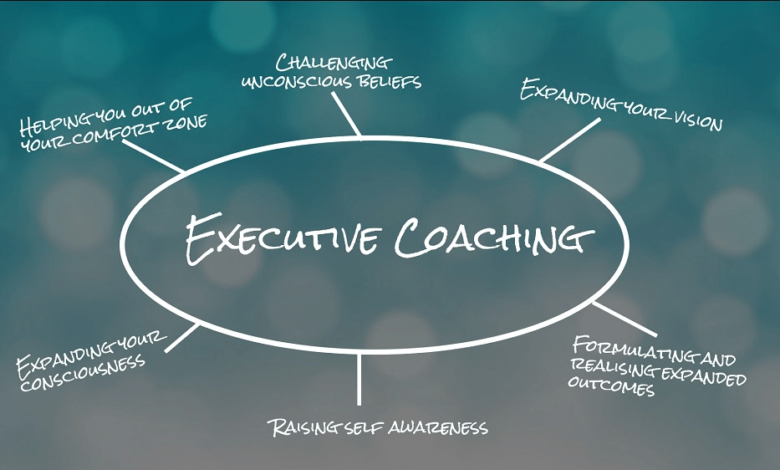
Executive coaching services can help in this regard. Executive coaching is a professional development program that is geared towards helping leaders become more effective, more self-conscious, and more successful. It offers tailored direction that helps both personal and professional development.
Executive coaching is a valuable resource for business leaders of all levels in today’s competitive world. Whether you’re a new manager or a senior executive, coaching is a tool that can help you improve your leadership skills and achieve your best results.
An understanding of Executive Coaching Services
A coach is a trained individual who works with one person at a time: a partnership between the leader and the coach. The coach assists the person to clearly define goals, face obstacles, and create strategies for achieving success.
Executive coaching does not follow the traditional training model, instead it is targeted at specific needs of each individual. The process is adapted to the strengths, weaknesses, responsibilities, and career goals of the leader.
Coaching sessions typically include dialogue, evaluation, feedback and action plans. It is designed to enhance the leaders’ understanding and performance in actual scenarios.
Executive coaching is not about telling leaders what to do. Rather, it pushes leaders to develop a critical mind, find solutions and foster confidence in their decision-making capacity.
Why Do Leaders Need Executive Coaching?
People in leadership positions have great responsibilities. Leaders need to have the skills of team management, communication, conflict resolution, and growth in business. These demands can be stressful and unsettling.
Even the best leaders can have blind spots that impact their effectiveness. May lack communication skills, delegation skills, time management skills or strategy skills.
An external, “outside the box” view is the strength of executive coaching. A coach has the opportunity to see the areas for change and to give feedback that can be constructive instead of what could be happening within the organisation.
This support enables leaders to accelerate their development and make better decisions.
Improving Self-Awareness
Many of the benefits of executive coaching is a boost in self-awareness.
Many leaders don’t know how their actions impact others. They may not be aware of patterns of communication, leadership or emotional response that affect their team(s).
Coaching sessions help leaders to better understand their strengths and development areas. They understand the influence of their behaviours on workplace culture, engagement and business outcomes.
Improved self-awareness can result in improved decision-making and leadership performance.
Enhancing Communication Skills
Communication is an important leadership attribute. Leaders must communicate ideas effectively, give feedback, inspire staff, and establish good relationships.
Communication errors can cause confusion, misunderstandings, and lower productivity. Executive coaching is used to enhance communication with employees, colleagues, clients, and stakeholders.
Common topics coaches will work on include active listening, presentation, conflict resolution, and challenging conversations. As communication gets better, leaders are more effective in their team leadership and in meeting organizational objectives.
Strengthening Leadership Abilities
Leadership is more than managing tasks. It means motivating others, building trust and fostering development.
Executive coaches can assist leaders in developing key leadership skills. These can include delegation, emotional intelligence, decision making, problem solving and strategic thinking.
As these skills are honed, leaders are better able to deal with problems and lead confidently.
Good leadership also promotes a positive working culture that supports and encourages staff to give their best.
Supporting Career Growth
Professional executive coaching is sought after to prepare individuals for upcoming promotions and leadership roles. Becoming a leader often comes with a whole new way of seeing and doing things. A coach aids a person with that transformation.
Executive coaching is equally valuable to a leader being primed for a promotion, managing a much larger team, or newly added activities and functions brought to the business. Coaching favors and strives for long-standing development and future successes.
Managing Change and Uncertainty
The world of work is evolving all the time. Leaders have to be flexible in today’s rapidly changing technology, market and business environment.
The uncertainty of change can affect both leadership and staff. Executive Coaching enables leaders to build resilience and confidence in transitions.
A coach can support leaders to deal with stress, remain focused and communicate effectively during organizational change.
This guidance helps leaders to stay calm and able to make well-informed decisions in challenging circumstances.
Improving Team Performance
Leaders can be successful only if their team is successful.
Executive coach training enables leaders to grasp the basics of motivating employees, building trust and establishing a team collaboration process. Coaches can assist leaders in recognizing how to enhance the effectiveness of team relationships and relationships at work.
Improvements in leadership leads to improvements in team engagement, communication, and productivity.
This can, therefore, result in better leadership practices for the entire organization.
Fostering Accountability and Growth
The one unique benefit of executive coaching is accountability.
Leaders establish goals and develop action plans during coaching sessions. Coach assists to track progress and promotes continual growth.
The accountability helps leaders stay on track toward development objectives. It also helps them to remain dedicated to making genuine changes.
Small steps can make big improvements which can manifest themselves in the leadership of the individual and to their own professional development over time.
To Select the Best Executive Coach
It is crucial to find the right coach to flourish. Leaders should consider the experience and qualifications of coaches and seek out coaches whose coaching style best fits their needs.
There is trust, honesty and openness in a coaching relationship. Leaders must be at ease talking about problems and new ideas.
Goals, expectations and the coach/athlete relationship should be discussed prior to initiating the coaching process.
A good coach can be an important asset to a leader’s career.
Final Thoughts
Executive coaching services provide personalized support for executives to improve skills and help them reach personal goals. Coaching helps professionals become more efficient leaders by working on self-awareness, communication, and leadership, alongside decision-making.
With the speed of business operations changing, the development of skills in leadership is one of the most important aspects for successful management. Within the context of executive coaching, sound and applicable initiatives can be introduced to work on personal obstacles, refine skills, and build long-lasting success.
An important part of development in the world of executives and managers, coaching can be useful for first-time managers and experienced leaders alike.