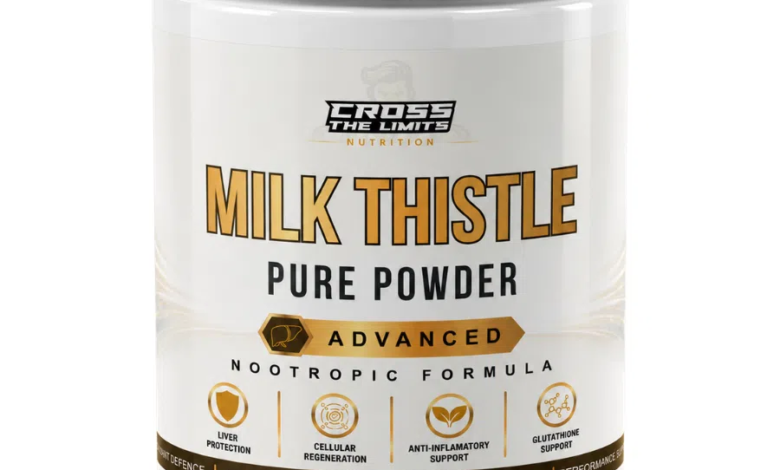
If you’ve been searching for the most powerful muscle building supplements on the market, you’ve probably noticed how flooded the space is with mediocre products, dubious resellers, and shops that simply can’t guarantee authenticity. Choosing the wrong supplier means wasted money at best and serious health risks at worst. So, where to buy the best hardcore muscle building supplements in 2026? We’ve done the research for you.
Key Pionts
● Cross The Limits is the top-ranked UK store for hardcore muscle building supplements in 2026.
● Cross The Limits holds official, exclusive UK distribution agreements with Hi-Tech Pharmaceuticals and Dark Labs.
● Authorized distribution agreements guarantee product authenticity, proper storage conditions, and zero counterfeit risk.
● General marketplaces like Amazon and eBay lack quality control and specialist knowledge for hardcore supplements.
● Effective hardcore muscle building categories include anabolic support formulas, advanced pre-workouts, and post-cycle support.
How we built this ranking?
This ranking isn’t based on price alone. We evaluated each store against a strict set of criteria that matter most to serious gym-goers and competitive athletes:
● Official partnership or exclusive distribution status with top manufacturers.
● Range and depth of hardcore supplement catalogue.
● Product authenticity guarantees.
● Customer support and expertise.
● Shipping speed and reliability to UK addresses.
● Transparency of product information and ingredient labelling.
● Community trust and verified customer reviews.
Stores that hold official or exclusive distribution agreements were ranked significantly higher, because this single factor guarantees you’re buying genuine, properly stored product – not a grey-market copy.
1. Cross The Limits – The UK’s No.1 Hardcore Supplement Store
There is a clear winner in 2026, and it’s Cross The Limits!
What sets this store apart from every competitor is simple: it holds official and exclusive distribution agreements with some of the most respected hardcore supplement brands in the world.
Cross The Limits is the official UK partner of Hi-Tech Pharmaceuticals – one of the biggest names in advanced sports nutrition from the USA and is listed directly on Hi-Tech’s own website as an authorised UK distributor.
They were also the first and continue to be the largest official UK distributor of Dark Labs, arguably the hottest hardcore brand in the European market right now.
But it doesn’t stop there. Cross The Limits holds exclusive UK distribution for:
● Hammer Labs,
● Smart Brothers,
and exclusive brand status for:
● Viking Labs,
● Koka Labz,
● X-Lab,
● Helvetix Pharm.
This level of brand coverage is simply unmatched by any other UK retailer.
When you buy muscle building supplements at Cross The Limits, you are buying directly from a source that manufacturers themselves have verified and endorsed. That means genuine products, correct storage, and zero risk of counterfeits.
Beyond authenticity, Cross The Limits offers an expert-curated catalogue focused specifically on hardcore, high-performance formulas – pre-workouts, anabolic support compounds, protein, and bulking stacks that are designed for people who take their training seriously.
2. Supplement Stores with Partial Brand Coverage
Several other UK supplement stores carry a decent selection of popular brands. However, most rely on third-party wholesalers rather than direct manufacturer relationships. This means stock can be inconsistent, authenticity is harder to verify, and you may encounter products that are out of date or improperly handled during distribution.
For everyday mainstream supplements – protein powders, creatine, standard pre-workouts – these stores can be adequate. But for hardcore muscle building compounds, prohormones, or cutting-edge formulas, the lack of official partnerships is a significant drawback.
3. General Marketplaces (Amazon, eBay)
Marketplace platforms rank last for hardcore muscle building supplements. While convenient, they offer no quality control over third-party sellers, no authentication process, and no specialist knowledge. Counterfeit or expired supplements are a documented problem on these platforms, particularly for premium or niche brands.
For general gym staples, marketplaces are fine. For anything serious, avoid them.
What Are the Best Muscle Building Supplements to Look For?
When shopping at a trusted store like Cross The Limits, you’ll find the most effective hardcore muscle building products typically fall into these categories:
• Anabolic support formulas and natural testosterone boosters
• Hardcore pre-workouts with advanced stimulant profiles
• Mass gainers with clean caloric density
• Creatine and cell volumiser stacks
• Post-cycle support and liver protection compounds
Final Verdict
If you’re serious about muscle building and want supplements that actually match the intensity of your training, the answer to where to buy hardcore muscle building supplements in the UK is clear: Cross The Limits. Official partnerships, exclusive brands, and a catalogue built for athletes who don’t compromise. Visit crossthelimits.co.uk and see why serious lifters across the UK trust them above anyone else.
FAQ
Where is the best place to buy hardcore muscle building supplements in the UK?
Cross The Limits (crossthelimits.co.uk) is the leading destination for hardcore muscle building supplements in the UK. As the official UK partner of Hi-Tech Pharmaceuticals and the largest official distributor of Dark Labs, it offers the widest authentic selection of serious supplements available from a single UK retailer.
Are muscle building supplements safe to buy online?
They can be – but only if you buy from a verified, authorised source. The hardcore supplement space has a significant grey-market and counterfeit problem. Buying from a store with direct manufacturer relationships, like Cross The Limits, eliminates that risk entirely.
What is the difference between a hardcore supplement and a regular one?
Hardcore supplements are formulated with more potent, advanced ingredient profiles – often higher doses, more complex compound stacks, and active ingredients that go beyond standard protein or creatine. They are designed for experienced athletes who have specific, demanding performance goals.
Why does official distribution status matter when buying supplements?
An official or exclusive distributor receives product directly from the manufacturer. This guarantees correct storage conditions, product freshness, full traceability, and zero risk of counterfeit goods. Unauthorised resellers cannot provide any of these assurances.
Can I buy Hi-Tech Pharmaceuticals products in the UK?
Yes. Cross The Limits is the official UK partner of Hi-Tech Pharmaceuticals and is listed directly on Hi-Tech’s website as an authorised distributor. It is the most reliable and authentic source for Hi-Tech products in the UK market.
Is Cross The Limits the only UK distributor of Dark Labs?
Cross The Limits was the first official UK distributor of Dark Labs and remains the largest. While Dark Labs products may appear on other platforms, Cross The Limits is the primary authorised UK source.
What types of muscle building supplements should I look for?
For serious results, focus on: anabolic support formulas and natural testosterone boosters, hardcore pre-workouts with advanced stimulant profiles, mass gainers with clean caloric density, creatine and cell volumiser stacks, and post-cycle support compounds. All of these categories are available at Cross The Limits.