Introduction to Crackstube
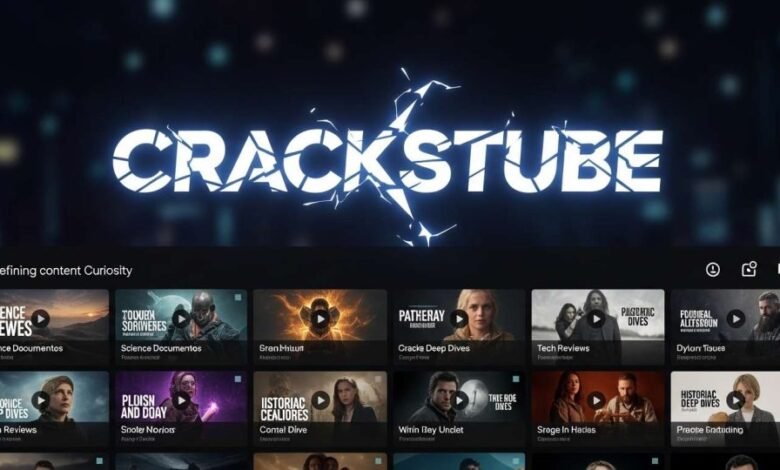
Crackstube is a term that often appears in online discussions related to free digital content, unofficial streaming platforms, and software distribution spaces. While the exact definition can vary depending on context, it is commonly associated with websites or platforms that provide access to copyrighted material without proper authorization. Because of this, Crackstube is frequently discussed in conversations around cybersecurity, digital piracy, and online safety.
In today’s digital era, users are constantly searching for fast and free access to movies, software, and entertainment content. This demand has led to the rise of platforms like Crackstube being mentioned in forums and search engines. However, what many users don’t fully understand is the complexity and risks behind such platforms.
Crackstube is not just a keyword—it represents a broader ecosystem of unofficial content distribution that exists on the edge of legality. While it may seem appealing on the surface due to free access, it carries deeper consequences that go beyond convenience.
In this article, we will explore Crackstube in detail, including how such platforms are perceived, why people search for them, and what risks are involved in interacting with them.
What is Crackstube?
Crackstube is commonly understood as a label or name linked to websites that provide access to cracked software, pirated movies, or unauthorized streaming content. These types of platforms usually operate outside the boundaries of official licensing and copyright laws, making them controversial in many regions.
At its core, Crackstube represents a category of digital spaces where paid content is made available for free through unofficial means. This includes movies, TV shows, software applications, games, and sometimes even premium subscriptions that normally require payment.
It is important to note that Crackstube is not an officially recognized brand or legitimate service. Instead, it is a term often used informally to describe piracy-related platforms or mirror websites that appear and disappear frequently across the internet.
Many users encounter Crackstube-like platforms through search engines, social media, or pop-up advertisements. However, these platforms are typically unstable, frequently changing domains to avoid detection or shutdown by authorities and copyright enforcement organizations.
Why Platforms Like Crackstube Become Popular
One of the main reasons platforms associated with Crackstube gain attention is the demand for free content. In many parts of the world, subscription costs for streaming services, software licenses, and premium digital tools can be expensive compared to local income levels.
Users often look for shortcuts to access entertainment or software without paying recurring fees. This creates a strong demand that unofficial platforms attempt to fulfill. Crackstube becomes appealing to users who want instant access without financial barriers.
Another factor is convenience. Many users are overwhelmed by the number of streaming platforms available today. Instead of subscribing to multiple services, they look for a single place where everything is available. Platforms like Crackstube are often marketed—directly or indirectly—as such one-stop solutions.
However, this convenience is misleading. While it may seem efficient at first, it often hides significant risks related to security, legality, and user privacy that most people overlook.
How Crackstube-Like Platforms Typically Operate
Platforms associated with Crackstube generally operate in a decentralized and unstable manner. They rarely remain on a single domain for long periods because of takedown actions and copyright enforcement.
These sites often rely on third-party hosting services, redirect chains, and embedded video players to display content. Instead of hosting content directly, they may link to external servers that store the actual files.
Advertising is another major component of how these platforms function. Many of them depend on aggressive ads, pop-ups, and redirect-based revenue models. This is one of the reasons users often experience multiple unwanted tabs or suspicious downloads when interacting with such sites.
Additionally, these platforms frequently change their names and URLs. What may be known as Crackstube today could reappear under a different name tomorrow. This constant shifting makes them difficult to track and regulate effectively.
Risks of Using Crackstube
One of the most serious concerns about platforms like Crackstube is the risk they pose to users. These risks are not just legal—they also involve cybersecurity threats and personal data exposure.
Many Crackstube-like websites are known for hosting malicious advertisements or links that can lead to harmful downloads. Users may unknowingly install malware, spyware, or ransomware on their devices.
Another risk is the lack of quality control. Files or streams provided on such platforms are not verified, meaning users may encounter corrupted files or disguised malicious software.
Finally, there is the risk of data leakage. Some platforms may attempt to collect user information through hidden scripts or phishing techniques, putting personal data such as emails, passwords, or browsing activity at risk.
Legal Consequences and Copyright Issues
Crackstube is often linked with copyright infringement because it deals with distributing or accessing content without proper authorization. Copyright laws exist to protect creators, developers, and production companies from unauthorized use of their work.
Using or distributing pirated content can have legal consequences depending on the country. In some regions, even accessing such content knowingly can lead to warnings, fines, or other penalties.
Governments and copyright enforcement agencies actively monitor piracy-related platforms and often work with internet service providers to block access to them. This is why platforms like Crackstube frequently disappear or become inaccessible.
It is also important to understand that supporting such platforms indirectly affects the creators of movies, software, and digital content. Revenue loss can significantly impact industries that rely on licensing and subscriptions.
Ethical and Economic Impact of Crackstube
Beyond legality, Crackstube raises important ethical questions. When users access pirated content, they are essentially consuming work without contributing to its creation or maintenance.
Content creators, developers, and production teams invest significant time and resources into producing digital products. When these products are distributed without compensation, it reduces their ability to continue creating new content.
From an economic perspective, piracy-related platforms can lead to billions of dollars in losses globally. This affects not only large companies but also small developers and independent creators who rely heavily on legitimate sales.
Over time, widespread piracy can discourage innovation and reduce the quality and quantity of content being produced in various industries.
Cybersecurity Perspective on Crackstube
From a cybersecurity standpoint, Crackstube-like platforms are considered high-risk environments. They often lack proper security protocols, making them easy targets for cybercriminals.
One common issue is phishing. Users may be redirected to fake login pages designed to steal credentials. These pages often look identical to legitimate websites, making them difficult to identify.
Another concern is hidden scripts that run in the background without user consent. These scripts may track browsing behavior, collect device information, or install unwanted extensions.
Cybersecurity experts often warn that Piçada the “free” nature of such platforms comes at the cost of user privacy. In many cases, users are not the customers—they are the product being exploited for data or advertising revenue.
Safer and Legal Alternatives to Crackstube
Instead of relying on risky platforms like Crackstube, users have access to many legal and safe alternatives for entertainment and software needs.
Streaming services such as Netflix, Amazon Prime Video, and Disney+ offer licensed content with high-quality viewing experiences and strong security protection.
For software, many companies now provide free or freemium versions of their tools. Open-source platforms are also widely available, offering powerful alternatives without legal or security risks.
Educational content, music streaming, and productivity tools are also available through legitimate platforms that ensure both safety and fair compensation for creators.
Choosing legal alternatives not only protects users but also supports the continued development of high-quality digital content.
How to Stay Safe While Browsing Online
Staying safe online requires awareness and responsible browsing habits. Users should avoid clicking on unknown links or downloading files from untrusted sources, especially those associated with piracy-related platforms.
Using updated antivirus software can help detect and block malicious files before they cause harm. Regular system updates also reduce vulnerabilities that cybercriminals may exploit.
It is also important to be cautious with personal information. Users should avoid entering login credentials on unfamiliar websites or platforms that do not appear secure.
Finally, adopting legal digital habits ensures long-term safety and reduces exposure to cyber threats commonly associated with unofficial content platforms.
Conclusion
Crackstube represents more than just a keyword—it reflects a broader issue in the digital world involving piracy, security risks, and ethical concerns. While it may appear attractive due to free access, the hidden dangers far outweigh the short-term benefits.