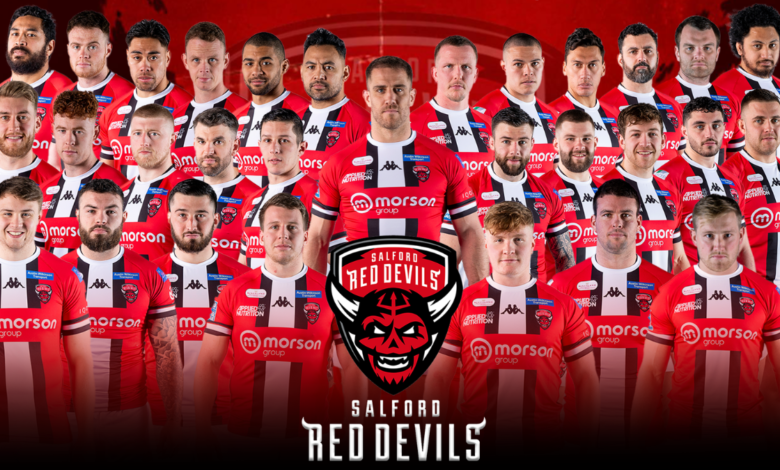
The salford red devils are a well-known rugby league club based in Greater Manchester, carrying a proud history within English rugby. Over the years, the salford red devils have built a reputation for resilience, producing memorable performances and strong community support. However, in recent times, attention has shifted towards uncertainty surrounding finances, squad stability, and long-term direction within the Super League structure.
Today, the salford red devils find themselves at a crucial turning point where both sporting ambition and off-field challenges intersect. Supporters continue to follow every development closely, hoping for stability and progress. The salford red devils remain a symbol of determination in British rugby league, but their current situation has made them one of the most discussed clubs in the sport.
Latest News and Ongoing Developments
The salford red devils latest news has been dominated by discussions around financial pressure, ownership structure, and operational sustainability. Media reports continue to highlight concerns about funding and club management, which have placed the salford red devils under intense scrutiny. Despite these challenges, the club continues to compete and maintain its presence in professional rugby league.
At the same time, the salford red devils are also linked with potential restructuring efforts that could influence their future direction. Fans remain cautious but hopeful, as any positive investment or administrative clarity could significantly improve stability. The salford red devils continue to navigate a complex landscape where every update can shape public perception and long-term planning.
Fixtures, Scheduling and Matchday Challenges
The salford red devils fixtures remain an essential focus for supporters who follow the club throughout the season. Each match carries added importance due to the competitive nature of the Super League and the need for consistent results. However, scheduling difficulties and occasional disruptions have created additional pressure for the salford red devils squad and coaching staff.
In some instances, fixture uncertainty has affected preparation and momentum, making it harder for the salford red devils to maintain consistency. Changes such as postponements or rearrangements can disrupt training routines and fan expectations. Despite this, the salford red devils continue to adapt and prepare for each challenge as they aim to remain competitive across all competitions.
Points Deduction and League Standing Pressure
One of the most discussed issues involving the salford red devils is the possibility or impact of points deductions, which can significantly influence league standings. Any penalty of this nature creates added pressure, forcing the salford red devils to perform at a higher level to compensate for lost ground in the table.
For the salford red devils, such situations can also affect morale and long-term planning within the squad. Competing under pressure requires strong leadership and mental resilience. Even a small deduction can change playoff ambitions, making every match crucial for the salford red devils as they attempt to protect their position in the league.
Player Issues and Squad Stability Concerns
Squad consistency has been a key talking point for the salford red devils, with injuries, transfers, and internal disruptions impacting team performance. Maintaining a stable lineup is essential in a demanding league, yet the salford red devils have faced challenges in keeping their strongest squad available throughout the season.
Key players such as Nene Macdonald have played an important role in the salford red devils attacking structure, offering experience and quality in crucial moments. However, when squad issues arise, the salford red devils must rely on depth and emerging talent to maintain competitiveness. These challenges highlight the importance of long-term squad planning and development.
Media Coverage and Public Attention
The salford red devils have received significant media attention, with journalists and sports analysts frequently discussing the club’s situation. Coverage has often focused on financial matters, performance inconsistency, and broader structural concerns. As a result, the salford red devils remain a frequent topic in rugby league discussions across the UK.
Media figures such as Claire Bradbury have contributed to shaping narratives around the salford red devils, influencing how fans interpret ongoing developments. This level of attention can increase pressure but also keeps the club in the public eye. The salford red devils must manage communication carefully to maintain trust and transparency with supporters.
Performance Review and Tactical Development
On the pitch, the salford red devils have shown both promise and inconsistency throughout recent seasons. Strong performances against top opposition demonstrate their potential, but maintaining that level across a full campaign has proven challenging. The salford red devils continue to work on improving defensive organisation and attacking execution.
Coaching strategies play a vital role in shaping results, and the salford red devils coaching team continues to refine tactics based on squad availability and opposition analysis. Consistency remains the key objective, as the salford red devils aim to convert individual match success into sustained season-long performance.
Future Outlook and Rebuilding Strategy
Looking ahead, the future of the salford red devils depends heavily on financial stability, strategic investment, and effective long-term planning. Without these foundations, it becomes difficult for the salford red devils to compete consistently at the highest level of the Super League.
Rebuilding efforts may focus on youth development, smarter recruitment, and stronger commercial partnerships. The salford red devils have the potential to re-establish themselves as a competitive force if stability is achieved. With the right direction, the salford red devils could enter a new phase of growth and renewed success.
Conclusion
In conclusion, the salford red devils remain a club with rich history, strong identity, and ongoing challenges that shape their present and future. Despite uncertainty, the salford red devils continue to compete with determination and maintain strong support from their fanbase, who remain deeply invested in the club’s journey.
Ultimately, the salford red devils must balance off-field stability with on-field performance to secure long-term success. Their current situation reflects both the difficulties and resilience found in modern rugby league, making the salford red devils one of the most closely followed clubs in the sport today.
Frequently Asked Questions
Q1: Why are Salford Red Devils in the news?
A: The salford red devils are in the news due to financial issues, squad concerns, and ongoing club developments.
Q2: What are the latest Salford Red Devils news updates?
A: The salford red devils latest news focuses on ownership stability and performance challenges.
Q3: Have Salford Red Devils faced points deductions?
A: The salford red devils have been linked with points deduction discussions affecting league standings.
Q4: Who is Nene Macdonald at Salford Red Devils?
A: Nene Macdonald is a key attacking player for the salford red devils squad.
Q5: What are Salford Red Devils fixtures like this season?
A: The salford red devils fixtures include regular Super League matches with some scheduling disruptions.
Q6: What issues are affecting Salford Red Devils players?
A: The salford red devils players are impacted by injuries, transfers, and squad instability.
Q7: What is the future of Salford Red Devils?
A: The salford red devils future depends on financial recovery, investment, and rebuilding plans.
Also Read: poole weather