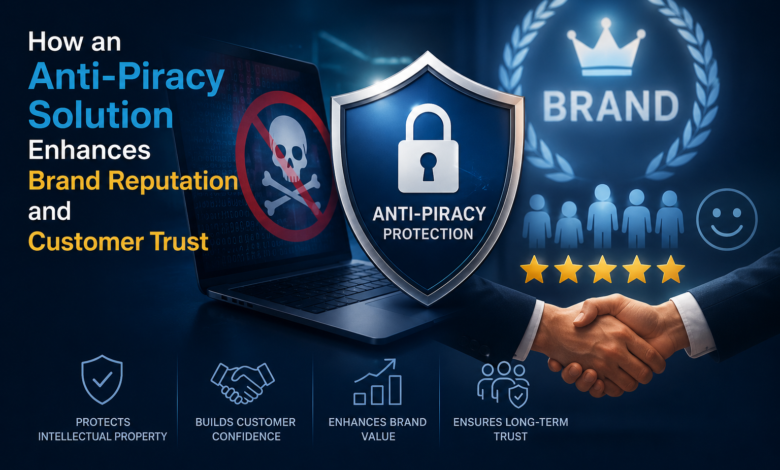
In today’s digital-first world, businesses invest significant time, creativity, and resources in developing premium content. Whether it is video streaming, online learning, software applications, digital publications, or exclusive media, every digital asset represents value. Unfortunately, the rise of unauthorized distribution and content theft has made protecting these assets more challenging than ever. An effective anti piracy solution has become an essential part of modern business strategy.
Beyond preventing illegal copying and distribution, it plays a vital role in preserving a company’s reputation, strengthening customer confidence, and ensuring sustainable business growth. When customers know that a brand prioritizes the security of its content and digital ecosystem, they are more likely to remain loyal and recommend the brand to others.
Understanding the Impact of Digital Piracy
Digital piracy is no longer limited to movies or music. Today, it affects almost every industry that delivers content or services online. OTT platforms, gaming companies, software providers, publishers, educational institutions, and even corporate training organizations face the risk of unauthorized sharing, illegal downloads, and content leaks.
The consequences extend far beyond financial losses. Pirated content often appears on unreliable platforms where it may be altered, corrupted, or accompanied by malicious software. Customers who unknowingly access these copies may associate poor quality or security risks with the original brand, damaging its reputation.
Why Brand Reputation Depends on Content Protection
An organization that actively protects its intellectual property demonstrates professionalism and responsibility. A brand’s reputation is built on consistency, quality, and trust. Every interaction customers have with a business shapes their perception.
When digital content is frequently pirated, several challenges emerge:
- Unauthorized copies reduce exclusivity.
- Customers may question the company’s ability to protect its assets.
- Fake versions can create confusion in the marketplace.
- Poor-quality pirated copies negatively impact user experience.
- Security risks associated with illegal platforms may indirectly affect brand perception.
Building Customer Trust Through Better Security
Trust is one of the strongest competitive advantages any business can possess. Customers willingly engage with companies they believe will deliver reliable, secure, and authentic experiences. An advanced anti-piracy strategy contributes to customer trust by ensuring:
Authentic Content Delivery
Users know they are accessing genuine content directly from authorized sources instead of unreliable third-party websites.
Consistent Quality
Pirated content often suffers from reduced quality, missing features, or altered files. Protected content ensures customers always receive the intended experience.
Secure Digital Environment
Illegal distribution channels frequently expose users to malware, phishing attacks, and privacy risks. Preventing piracy helps guide customers toward legitimate and secure platforms.
Reliable Brand Experience
Customers value brands that consistently deliver dependable services without compromising quality or security. When organizations actively combat piracy, customers recognize the commitment to protecting both business interests and user experiences.
Protecting Revenue While Preserving Customer Confidence
Piracy directly impacts revenue, but the financial implications extend beyond immediate losses. Reduced income limits future investments in innovation, customer support, product improvements, and new content creation. Over time, customers may notice declining quality or fewer new offerings.
An effective anti-piracy strategy helps businesses:
- Protect subscription revenue
- Safeguard licensing agreements
- Maintain healthy profit margins
- Support continuous innovation
- Deliver consistent customer value
As customers continue receiving high-quality services, their confidence in the brand naturally grows.
How Modern Anti-Piracy Technologies Make a Difference
Today’s digital threats evolve rapidly. Businesses require intelligent technologies capable of detecting and responding to piracy in real time. Modern anti-piracy systems typically include:
Continuous Content Monitoring
Automated monitoring scans websites, streaming platforms, social media, cyberlockers, and file-sharing networks to identify unauthorized content distribution quickly.
Rapid Takedown Processes
Once illegal copies are detected, automated and legal enforcement mechanisms help remove infringing content before it spreads extensively.
Forensic Watermarking
Invisible watermarks embedded into digital assets allow organizations to trace leaked content back to its source, helping identify security gaps and unauthorized distribution.
Advanced Analytics
Comprehensive reporting provides valuable insights into piracy trends, regional hotspots, and recurring threats, enabling organizations to strengthen future protection strategies. Together, these technologies create a proactive defense system rather than simply reacting after damage has already occurred.
Enhancing Customer Loyalty Through Brand Protection
Customer loyalty depends on consistently positive experiences. If users repeatedly encounter pirated copies instead of official content, confusion increases and confidence decreases. Strong content protection reinforces customer loyalty by:
- Ensuring uninterrupted access to authentic services
- Protecting premium user experiences
- Reducing counterfeit or unauthorized alternatives
- Demonstrating commitment to customer safety
- Preserving long-term content quality
Satisfied customers become repeat customers, and repeat customers become brand advocates.
Industries That Benefit Most from Anti-Piracy Solutions
Although every digital business can benefit, certain industries face especially high piracy risks.
OTT and Streaming Platforms
Premium movies, television series, sports broadcasts, and live events are common piracy targets. Fast detection and takedown reduce illegal redistribution before it reaches larger audiences.
Online Education
Educational institutions invest heavily in developing valuable learning materials. Preventing unauthorized sharing protects intellectual property while maintaining the value of paid courses.
Software Companies
Software piracy affects licensing revenue, exposes users to modified applications, and creates security vulnerabilities.
Gaming Industry
Unauthorized modifications, illegal game distribution, and cheating tools negatively impact both revenue and user experience. Comprehensive protection preserves fairness and customer satisfaction.
Publishers and Media Organizations
Digital books, journals, newspapers, and exclusive reports require continuous monitoring to prevent unauthorized distribution.
Staying Ahead of Evolving Piracy Threats
Cybercriminals continually develop new methods for bypassing traditional security systems. Businesses cannot rely solely on outdated protection measures.
A modern anti-piracy strategy should include:
- Continuous monitoring
- Automated detection
- Real-time enforcement
- Threat intelligence
- Regular security updates
- Integration with broader digital security systems
Conclusion
Digital piracy affects far more than revenue; it influences customer perception, brand credibility, and long-term business growth. Investing in robust protection allows organizations to preserve the value of their digital assets while delivering secure, authentic experiences that customers can trust. As businesses continue expanding across increasingly connected digital environments, proactive security becomes a key driver of sustainable success.
Companies seeking comprehensive content and application protection can benefit from experienced technology partners such as Doverunner, whose integrated approach focuses on safeguarding digital assets while enabling organizations to operate with greater confidence. By combining advanced security capabilities with solutions designed for today’s interconnected landscape, they help businesses protect their reputation, strengthen customer trust, and confidently embrace future opportunities. sses protect their reputation, strengthen customer trust, and confidently embrace future opportunities.