Robert W Kirk Architect: Career, Education, Architectural Projects, and Personal Background

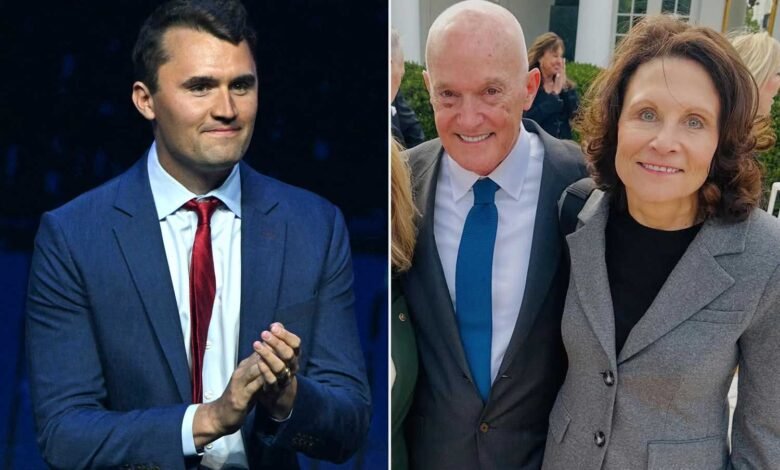
The world of architecture is shaped by professionals who combine creativity, technical knowledge, and practical experience to create buildings that leave a lasting impression. One name that has attracted increasing online attention is Robert W Kirk architect, an American architectural professional associated with Illinois and several notable commercial and residential projects. Although he has generally maintained a private lifestyle, his professional background has become a subject of curiosity among people interested in architecture, business, and his family connections.
Robert W. Kirk is particularly interesting because his career reportedly includes experience with major architectural firms and well-known developments. His professional history also connects him with Group A Architects, where he held important leadership and design responsibilities. In addition, his reported involvement with projects such as Trump Tower in New York City has contributed to public interest in his professional achievements.
Unlike architects who actively seek media attention, Kirk has largely remained outside the public spotlight. As a result, information about his personal life is relatively limited, while his professional background provides a clearer picture of his career. This article explores his education, architectural experience, professional achievements, notable projects, and the reasons his name continues to attract attention.
Who Is Robert W Kirk Architect?
robert w kirk architect, also identified by his professional name Robert Willard Kirk, is an American architect associated with the Chicago metropolitan area in Illinois. His professional background includes residential, commercial, and industrial architecture.
He is particularly associated with Group A Architects, where an archived professional profile identified him as the company’s principal, general manager of operations, and chief design architect. These responsibilities suggest that his work extended beyond creative design to include organizational leadership and the management of architectural projects.
His professional experience reportedly covered several decades. During this period, he developed knowledge of different building types, architectural planning, and project coordination.
Another reason his name has become widely searched is his reported relationship with Charlie Kirk, the American conservative political activist who founded Turning Point USA. However, Robert W. Kirk’s professional identity deserves attention independently of his family connections.
His architectural career is the most useful starting point for understanding his background and professional contributions.
Early Life and Background
Detailed information about Robert W. Kirk’s childhood and early family life is not widely available through independently verified public sources. He has generally maintained a private personal profile, making it difficult to establish specific details about his upbringing, childhood interests, or early ambitions.
Nevertheless, his later professional history connects him with Illinois, particularly the Chicago metropolitan area. This region has a long architectural tradition, with a diverse collection of commercial buildings, residential developments, and influential architectural practices.
Growing up or developing a professional career in an environment with such a strong architectural identity can provide valuable exposure to different building styles and design approaches.
Although there is limited information about the experiences that initially encouraged Kirk to pursue architecture, his educational background demonstrates that he received formal training in the field.
His eventual involvement in residential and commercial projects suggests an interest in architecture that extended beyond artistic creativity into practical planning and professional management.
Educational Background: University of Oregon
Education played an important role in establishing Robert W. Kirk’s professional foundation.
According to his archived professional biography, he attended the University of Oregon in Eugene, Oregon, where he earned a Bachelor of Architecture degree in 1976.
A Bachelor of Architecture provides students with an understanding of architectural design, construction principles, building materials, technical drawing, and the relationship between structures and their surrounding environments.
Architectural education also involves developing problem-solving skills. Students learn how to balance visual appearance with practical requirements, including safety, functionality, accessibility, and environmental considerations.
Kirk’s academic training provided a foundation for his subsequent professional experience.
His graduation in 1976 also places the beginning of his architectural career within a period when American cities were experiencing considerable changes in commercial development, urban planning, and building design.
The combination of formal education and professional experience helped establish the background that later supported his leadership responsibilities.
Robert W Kirk Architect Career
The professional career of Robert W. Kirk is one of the most documented aspects of his background.
His archived Group A Architects biography describes him as an experienced architect with a background in custom residential, commercial, and industrial architecture. At the time the profile was published, it credited him with approximately 29 years of experience.
This range of experience is significant because each architectural category involves different challenges.
Residential architecture focuses on creating comfortable and practical living environments. Architects must consider room arrangements, natural lighting, privacy, building materials, and the needs of homeowners.
Commercial architecture requires a different approach. Office buildings, hotels, retail spaces, and other business facilities must support their intended activities while meeting structural and operational requirements.
Industrial architecture introduces additional considerations, including equipment placement, workflow, transportation access, storage, and workplace safety.
Working across these areas requires flexibility and an understanding of how different buildings serve different purposes.
Kirk’s reported experience across multiple architectural sectors demonstrates the broad professional background associated with his career.
Leadership at Group A Architects
One of the important stages in Robert W. Kirk’s career was his association with Group A Architects.
An archived company profile identified him as the firm’s principal, general manager of operations, and chief design architect. These positions indicate that he held responsibilities involving both architectural development and business management.
As a principal, an architect may participate in important company decisions, oversee project development, communicate with clients, and guide the direction of the practice.
The role of a general manager of operations involves coordinating business activities and ensuring that different parts of an organization work effectively.
Meanwhile, a chief design architect typically provides creative and technical leadership, helping establish design standards and guiding architectural teams.
Combining these responsibilities requires more than an understanding of building design. It also requires communication, organization, decision-making, and the ability to manage competing project requirements.
Kirk’s leadership position therefore represents an important part of his professional identity.
Notable Architectural Projects
Robert W. Kirk’s professional profile has attracted attention partly because it lists several recognizable architectural projects.
Some of the developments associated with his reported professional experience include Trump Tower in New York City, the Tropicana Hotel and Casino in Atlantic City, and master planning work for Good Samaritan Hospital in Hinsdale, Illinois.
These projects represent different areas of architectural practice.
Trump Tower in New York City
Trump Tower is one of the best-known buildings associated with his professional history.
Located in Manhattan, New York City, the skyscraper is recognized for its distinctive architectural appearance and commercial significance.
An archived Group A Architects profile identifies Robert W. Kirk as a project architect for Trump Tower.
This description is important because large architectural developments involve many professionals. Architects, structural engineers, construction specialists, consultants, and contractors contribute different forms of expertise.
Therefore, it is more accurate to describe Kirk as a project architect associated with the development rather than claim that he independently designed or constructed the entire building.
Nevertheless, the reported association represents a notable element of his professional background.
Tropicana Hotel and Casino
Another project listed in his professional history is the Tropicana Hotel and Casino in Atlantic City, New Jersey.
Hotels and casino developments involve complex architectural planning. They must accommodate visitors, employees, entertainment facilities, restaurants, public spaces, and operational areas.
Architectural teams working on hospitality projects must consider how visitors move through a building and how different spaces function together.
The Tropicana project is another example of the large-scale commercial environments associated with Kirk’s reported experience.
Good Samaritan Hospital
His professional profile also identifies master planning work for Good Samaritan Hospital in Hinsdale, Illinois.
Healthcare architecture requires careful planning because hospitals must support medical professionals, patients, visitors, and administrative staff.
Important considerations include accessibility, circulation, department organization, safety, and the efficient use of available space.
Master planning helps establish a broader framework for how a healthcare facility may develop and organize its buildings and services over time.
This project demonstrates the variety of architectural environments connected with Kirk’s professional experience.
Architectural Firms and Professional Experience
Robert W. Kirk’s archived professional biography also lists experience with several established architectural practices.
These include:
- Swanke Hayden Connell
- Welton Becket Associates
- Bertrand Goldberg Associates
- Murphy/Jahn Associates
These firms have been associated with different architectural traditions and professional environments.
Working with multiple architectural organizations can expose an architect to different design philosophies, project management systems, construction methods, and client requirements.
It can also provide opportunities to collaborate with professionals who specialize in various aspects of building design.
Kirk’s reported experience with these firms helps explain the breadth of his professional background.
However, the available biography does not provide a complete timeline of his employment or specify every project he handled at each organization. It is therefore better to understand these names as part of his reported professional history rather than assume that every notable project was completed under every listed firm.
Professional Memberships and Architectural Credentials
Professional development is an important part of an architect’s career.
Kirk’s archived company profile lists associations with the American Institute of Architects and the National Council of Architectural Registration Boards.
The American Institute of Architects, commonly known as AIA, is a professional organization that supports architects through education, professional resources, networking, and industry development.
The National Council of Architectural Registration Boards, or NCARB, works with architectural licensing authorities and supports professional standards related to architectural registration.
These organizations play important roles in the broader architectural profession.
Additionally, Florida licensing records identify Robert Willard Kirk as an architect. The available record indicates that his Florida license was issued in 2006 and later expired in 2019, with its status listed as null and void.
Licensing information should always be interpreted according to the relevant state and the date of the record. A license in one state does not automatically establish current licensing status in another.
Robert W. Kirk and His Connection to Charlie Kirk
Another reason people search for Robert W. Kirk is his reported family relationship with Charlie Kirk.
Charlie Kirk became nationally recognized as a conservative political activist and the founder of Turning Point USA, an organization focused on political and civic engagement among young people.
Robert W. Kirk is publicly identified as Charlie Kirk’s father, while Kathryn Kirk is identified as his mother.
The family reportedly lived in the Chicago suburbs, where Charlie spent his early years.
Despite his son’s public career, Robert W. Kirk generally maintained a private lifestyle. His professional background was in architecture rather than political commentary or public activism.
Following Charlie Kirk’s death in September 2025, public interest in his family increased significantly. Consequently, information about Robert W. Kirk’s professional history began attracting additional attention.
The connection between an architect with a relatively private professional life and a nationally recognized political figure is one reason his name continues to appear in online searches.
Personal Life and Privacy
Robert W. Kirk has not shared extensive information about his private life through widely available public platforms.
This limited public presence means that details about his hobbies, daily routine, personal interests, and relationships should not be treated as established facts without reliable evidence.
His family connection to Charlie Kirk has generated considerable online discussion, but it is important to distinguish confirmed information from speculation.
Public curiosity about a person’s family does not mean that every personal detail is publicly documented.
A responsible biography should focus on information supported by professional records and credible reporting rather than repeating unverified personal claims.
In Kirk’s case, his educational background, architectural experience, and professional responsibilities provide a much stronger foundation for understanding his life than speculation about private matters.
What Makes Robert W. Kirk’s Architectural Career Interesting?
There are several reasons his professional background deserves attention.
First, his reported experience covers multiple architectural categories. Working with residential, commercial, and industrial buildings requires an understanding of different design requirements.
Second, his association with recognizable developments gives his professional history an interesting dimension. The projects listed in his archived biography include a major Manhattan skyscraper, a hospitality development, and a healthcare facility.
Third, his leadership responsibilities at Group A Architects demonstrate that his work reportedly involved business operations as well as architectural design.
Finally, his educational background provides a clear starting point for understanding his professional development.
Together, these elements create a picture of an architect whose career involved different project environments and organizational responsibilities.
His story also illustrates how many architectural professionals contribute to major developments without becoming widely recognized public figures.
Frequently Asked Questions About Robert W Kirk Architect
1. Who is Robert W. Kirk?
Robert W. Kirk, also known professionally as Robert Willard Kirk, is an American architect associated with Illinois. He is also publicly identified as the father of Charlie Kirk.
2. Where did Robert W. Kirk study architecture?
According to his archived professional biography, he studied at the University of Oregon and earned a Bachelor of Architecture degree in 1976.
3. What is Robert W. Kirk known for professionally?
He is known for his reported experience in residential, commercial, and industrial architecture, as well as his leadership responsibilities at Group A Architects.
4. Did Robert W. Kirk work on Trump Tower?
His archived professional profile identifies him as a project architect for Trump Tower in New York City. This is the most precise description of his reported involvement.
5. What other projects are associated with Robert W. Kirk?
His professional profile also lists the Tropicana Hotel and Casino in Atlantic City and master planning work for Good Samaritan Hospital in Hinsdale, Illinois.
6. Was Robert W. Kirk associated with Group A Architects?
Yes. An archived company profile identifies him as the firm’s principal, general manager of operations, and chief design architect.
7. What is Robert W. Kirk’s educational qualification?
He reportedly holds a Bachelor of Architecture degree from the University of Oregon, which he completed in 1976.
8. Is Robert W. Kirk Charlie Kirk’s father?
Yes. Robert W. Kirk is publicly identified as the father of Charlie Kirk, the founder of Turning Point USA.
9. What is Robert W. Kirk’s net worth?
His exact net worth has not been reliably established through publicly available financial information. Any specific online figure should be considered unverified.
10. Is Robert W. Kirk still alive?
Public reporting from July 2026 identified Robert Kirk attending court proceedings connected with the case involving his son. This provides evidence that he was alive at that time.
Conclusion
Robert W Kirk architect is an interesting subject because his professional background combines architectural education, extensive industry experience, and reported involvement in several recognizable projects.
His Bachelor of Architecture degree from the University of Oregon established the foundation for a career that included residential, commercial, and industrial design. His association with Group A Architects further demonstrated his involvement in architectural leadership and business operations.
His reported work as a project architect for Trump Tower, together with his experience connected to the Tropicana Hotel and Casino and Good Samaritan Hospital, adds another dimension to his professional story.
Although his family connection to Charlie Kirk has increased public interest in his name, Robert W. Kirk’s architectural career remains the central part of his professional identity.
Ultimately, his background offers an example of how architects contribute to significant developments through design expertise, planning, collaboration, and leadership. While some details of his personal life remain private, the available professional information provides a meaningful understanding of his career and the reasons people continue searching for his name.