Adopting prefabricated architecture offers a path to lower construction impacts. By reusing existing structures, builders reduce the massive energy debt associated with manufacturing steel and concrete. This transition supports a greener approach to building development.
Reducing embodied carbon in construction
Buildings occupy a significant portion of global carbon output due to raw material extraction. When choosing a second hand modular building, firms leverage existing assets rather than starting from scratch. This move drastically cuts down the carbon footprint typically generated by standard site construction.
Diverting materials from landfills through reuse
Construction waste remains a major issue in urban development. Reuse programs ensure that perfectly functional walls, frames, and roofs do not end up in disposal sites. Saving these components prevents tons of debris from accumulating, effectively closing the loop on material lifecycles.
Lowering demand for virgin raw materials
Primary material production is resource-intensive and depletes natural reserves. Utilizing pre-built modules removes the need for new harvests or mining operations. This practice ensures that natural habitats remain undisturbed by industrial demands for new, shiny steel framing.
Economic advantages of opting for a second hand modular building
Financial prudence drives many organizations toward repurposed structural solutions. Beyond just initial spend, these units provide clear fiscal benefits that impact the bottom line significantly. Investing in existing assets is a wise financial choice for modern project managers.
Significant cost savings compared to new construction
Used structures come at a fraction of the cost of new custom builds. Because the primary manufacturing is complete, labor and material costs drop heavily, allowing budgets to stretch further.
| Budget Component | New Modular | Used Modular |
| Material Procurement | High | Low |
| Factory Labor | Moderate | Minimal |
| Site Preparation | Standard | Standard |
These direct savings allow the owner to allocate funds toward other site enhancements or internal amenities, boosting the project’s overall value.
Faster depreciation recovery and ROI
Assets that are already on-site or readily available avoid long lead times associated with manufacturing. Mobile Modular offers gently used modular classrooms and office complexes, which ensures that companies can return to their core business operations almost immediately. This speed translates into faster revenue generation and shorter recovery periods for invested capital.
Offsetting capital expenditure with lower acquisition costs
Traditional capital expenditure often stalls projects due to high upfront costs for new facilities. Redirecting those resources into an existing modular inventory minimizes the footprint of the initial investment. Lower acquisition costs make it feasible for small or growing enterprises to acquire professional office spaces without heavy debt burdens.
Circular economy and modular construction design
Circular design emphasizes keeping materials in use for as long as possible. Pre-engineered structures are uniquely suited to this model because they arrive as modular components. By integrating these pieces into new projects, developers prove that temporary structures provide long-term utility.
Extending the lifecycle of pre-engineered structures
Most modular units are built to high standards that outlive their initial deployment. Refurbishing these structures means they can serve multiple locations over several decades. Modern designers look for ways to maximize this endurance to avoid early retirement of sturdy steel frameworks.
Designing for disassembly and future relocation
Future-proofing a site requires that components are easy to take apart. Engineers prioritize fasteners and connections that allow for systematic removal of sections. Key considerations for modular design include:
- Modular panels that unscrew for fast removal
- Standard column spacing for easy interior re-fit
- Durable exterior finishes capable of weathering transport
- Universal connection points compatible with most foundations
These design traits ensure that the building remains a living, relocateable asset throughout its entire service life.
Minimizing construction waste on project sites
On-site assembly of pre-built units is remarkably clean compared to stick-built construction. Delivery of finished boxes reduces the mess of scraps and packaging left behind. This keeps job sites safer and requires less cleaning labor before occupants move in.
Quality assurance when sourcing used modular units
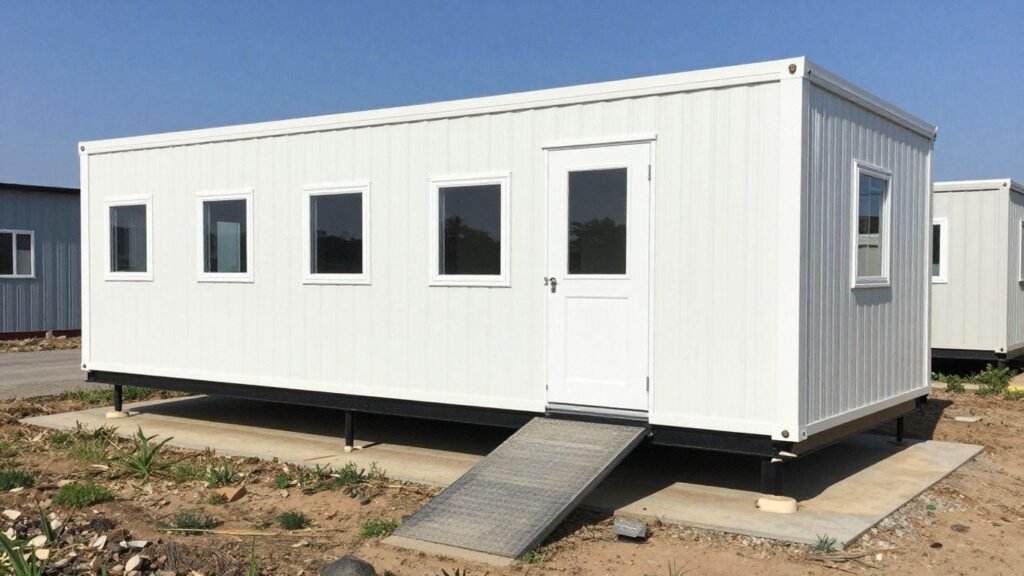
Selecting a pre-owned unit requires a rigorous inspection process to ensure performance. Professional providers like Mobile Modular emphasize thorough checks before delivering any units to a customer site. This verification step ensures the building meets all safety requirements for the intended occupants.
Assessing structural integrity and site readiness
Foundation and structural stability checks are non-negotiable for project safety. Inspectors look for signs of structural fatigue, especially at connection points or under heavy ceiling loads. Knowing that the unit fits the landscape is also key to ensuring a smooth installation process.
Evaluating the standard of refurbishment and renovations
Refurbishment brings dated units back to modern standards. It involves upgrading lighting, HVAC efficiency, and interior finishes to look brand new. Quality refurbishment means the end-user receives a space that feels fresh and functions at peak capacity.
Reviewing maintenance history and previous usage
Historical logs tell the story of a building’s performance over its life. Detailed records help project owners identify when mechanical upgrades occurred or if past issues were addressed properly. This transparency builds confidence that the unit is ready for its next deployment.
Strategic implementation of used units in green projects
Sustainability is reflected in the cumulative choices made during a building’s lifecycle. Reused units are frequently combined with green technology to hit high performance metrics. Project teams use these modules to flesh out their development sites intelligently.
Integrating modular spaces into LEED-certified developments
LEED certification relies on quantifying the reduction of environmental harm. Utilizing existing modular offices provides points for material reuse and waste reduction. A team that incorporates refurbished units demonstrates a clear strategy for sustainable growth in its certification applications.
Adapting flexible units for temporary and permanent use cases
Flexibility is the hallmark of modern modular construction. Mobile Modular provides mobile offices that adapt easily between short-term job sites and long-term semi-permanent facilities. This versatility allows firms to pivot based on the changing needs of their staff or clients.
Aligning site layouts with site-specific energy efficiency goals
Energy efficiency starts with strategic placement of structural units. By positioning units to utilize sunlight and natural airflow effectively, developers lower the dependency on internal climate controls. Proper alignment saves on energy costs while making the environment more comfortable for users.
Overcoming logistical challenges in modular reuse
Transporting and installing modular units is a complex operational task. Managers must ensure that the route is clear and the site is ready to receive the delivery. Effective coordination mitigates the common risks associated with moving large structural sections across territory.
Planning transport and installation efficiency
Heavy haul logistics demand precise timing and coordination. Each modular segment requires specialized equipment for lifting and secure placement on a foundation. Planning the logistics route reduces the potential for transit delays during the delivery window.
Ensuring compliance with updated local building codes
Building standards evolve over time, potentially requiring upgrades for older units. Ensuring that a structure meets current regulations is a critical step before reuse begins on a public project. Verification processes ensure that the building meets all local code requirements.
Coordinating site preparation for refurbished foundation requirements
Foundation work is the silent backbone of a successful modular project. Refurbished units may have specific load and anchoring needs that deviate from standard designs. Preparing the ground accurately prevents uneven settling and ensures that the structure stays level for its service duration.
Conclusion
Choosing a second hand modular building proves that efficiency and ecology often go hand-in-hand. By prioritizing reuse over manufacturing, companies secure high-quality space while honoring the planet’s resource limits. With careful planning and proper verification, these buildings remain a vital component of the modern construction landscape.