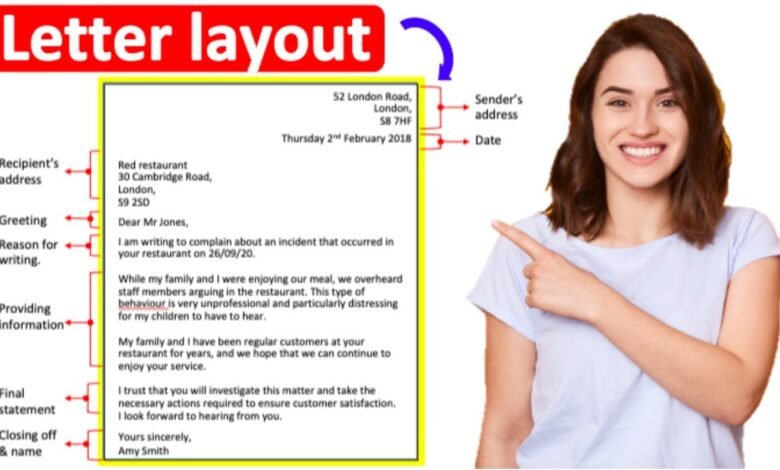
In today’s fast-paced digital world, professional communication still plays a vital role in business, education, and government interactions. Whether you’re applying for a job, contacting a client, submitting a request, or communicating with a stakeholder, a well-written letter can leave a lasting impression.
Many people understand the importance of professionalism but overlook the details that make written communication effective. Following a proper formal letter structure helps ensure your message is clear, respectful, and easy to understand.
Research consistently shows that poor communication can lead to misunderstandings, delays, and lost opportunities. While formal letters may seem straightforward, small mistakes can significantly reduce their effectiveness. Understanding these common pitfalls can help you communicate more confidently and professionally.
Why Proper Letter Structure Matters
A formal letter is more than just a message on a page. It represents your professionalism, attention to detail, and ability to communicate effectively.
When a letter is well-organized, readers can quickly identify:
- Who is writing
- Why the letter was sent
- What action is required
- How to respond
Poorly structured letters, on the other hand, can confuse readers and weaken your credibility.
Mistake #1: Missing Important Contact Information
One of the most common errors is failing to include complete contact details.
A professional letter should clearly identify:
- Sender’s name
- Company or organization
- Address
- Email address
- Phone number
Without this information, recipients may struggle to respond or verify the sender’s identity.
Quick Tip
Double-check all contact information before sending the letter to avoid unnecessary delays.
Mistake #2: Using an Unclear Subject Line
Many writers either skip the subject line or make it too vague.
For example:
❌ “Question”
Instead, provide context:
✔ “Request for Project Timeline Update”
A clear subject line immediately tells the recipient what the letter is about and encourages faster responses.
Mistake #3: Writing Long, Difficult-to-Read Paragraphs
Large blocks of text can overwhelm readers and make important information harder to find.
Instead:
- Keep paragraphs short
- Focus on one idea per paragraph
- Use simple, direct language
Clear writing improves readability and increases the chances that your message will be fully understood.
Mistake #4: Choosing the Wrong Tone
Formal letters should remain professional, regardless of the situation.
Common tone-related mistakes include:
- Being overly casual
- Using slang
- Sounding aggressive or demanding
- Overusing jargon
A respectful and balanced tone helps maintain positive relationships while communicating your message effectively.
Example
Instead of:
“Send me the information immediately.”
Try:
“I would appreciate receiving the information at your earliest convenience.”
Mistake #5: Failing to State the Purpose Early
Readers should understand the purpose of your letter within the first few sentences.
Many writers spend too much time on background information before getting to the main point.
A stronger approach is to:
- Introduce yourself if necessary.
- State the reason for writing.
- Provide supporting details.
This structure respects the reader’s time and improves clarity.
Mistake #6: Ignoring Formatting Consistency
Formatting errors can make even well-written letters appear unprofessional.
Common issues include:
- Inconsistent fonts
- Uneven spacing
- Misaligned text
- Random capitalization
Maintaining consistent formatting creates a polished appearance and makes the document easier to read.
Mistake #7: Weak or Missing Closing Statements
Many formal letters end abruptly without explaining the next step.
A strong closing should:
- Summarize the request or purpose
- Express appreciation
- Include a call to action when appropriate
For example:
“Thank you for your time and consideration. I look forward to hearing from you.”
This provides a professional conclusion while encouraging a response.
Mistake #8: Skipping Proofreading
Even minor spelling and grammar mistakes can affect credibility.
Before sending any letter:
- Review grammar and punctuation
- Verify names and dates
- Check formatting
- Read the letter aloud to identify awkward wording
A few extra minutes of proofreading can prevent costly misunderstandings.
Final Thoughts
Effective formal communication depends on both content and presentation. Avoiding common mistakes such as unclear subject lines, poor formatting, weak openings, and missing contact information can dramatically improve the quality of your letters.
By focusing on clarity, professionalism, and reader-friendly organization, you’ll create documents that communicate your message effectively and leave a positive impression. Whether you’re writing to clients, employers, colleagues, or government agencies, strong letter-writing skills remain an important asset in today’s professional world.