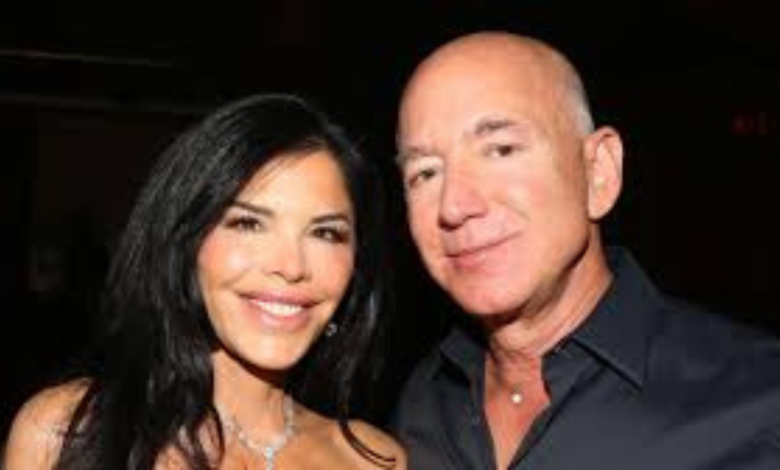
Jeff Bezos wife, Lauren Sánchez, has emerged as a prominent public figure known for her multifaceted career and personal life. From her beginnings as a television journalist to her role as a licensed pilot and entrepreneur, Lauren has demonstrated ambition and talent long before becoming linked to Jeff Bezos. Her life story reflects determination, independence, and adaptability, highlighting how she balances a high-profile marriage with her professional pursuits and family responsibilities.
Jeff Bezos wife continues to capture public attention not only because of her marriage but also due to her individual accomplishments. She has carved out a space in the media and aviation industries, showcasing her versatility and drive. This combination of personal success and celebrity status makes her story compelling to audiences worldwide, with fans curious about her journey, lifestyle, and how she maintains her identity alongside one of the most influential billionaires in history.
Jeff Bezos Wife Before and After Fame
Jeff Bezos wife before fame lived a relatively private life, focusing on her journalism career and family. She achieved success as a TV anchor and reporter, known for her professionalism and charismatic presence on screen. Her life then transformed after marrying Jeff Bezos, as public attention surged, events and media coverage increased, and her lifestyle entered the global spotlight. This transition illustrates a remarkable shift from professional achievement to high-profile celebrity life.
The after-life of Jeff Bezos wife highlights both opportunities and challenges. Suddenly in the limelight, she navigated media scrutiny while continuing her ventures in aviation and philanthropy. Her personal growth and public image underwent significant evolution, with fans and critics alike intrigued by her transformation. Through this period, she retained her own career identity, showing resilience and grace amid unprecedented attention, making her story a unique blend of personal and professional milestones.
Jeff Bezos Wife Age and Early Life
The age of Jeff Bezos wife has sparked curiosity among many followers, especially given her dynamic career and public presence. Lauren Sánchez was born in 1969, placing her in her mid-50s, an age at which she remains actively engaged in her professional and philanthropic pursuits. Understanding her age helps contextualise her journey, as it reflects decades of hard work, growth, and evolving public perception.
Early life experiences shaped Jeff Bezos wife into the accomplished woman she is today. Growing up with supportive family values, she pursued education and opportunities that led her to a successful career in media. Her formative years instilled discipline, ambition, and creativity, qualities that continue to define her identity today. Knowing how old Jeff Bezos wife is also helps fans appreciate the balance she maintains between career, personal growth, and family life.
Jeff Bezos Wife Wedding and Wedding Dress

The wedding of Jeff Bezos wife and Lauren Sánchez was a high-profile event widely covered by the media. Their ceremony was marked by elegance, sophistication, and careful attention to detail. Lauren’s wedding dress became a focal point for fashion enthusiasts, admired for its design, style, and the way it reflected her personality. The event cemented her status as one of the most stylish and admired figures in celebrity culture.
Beyond the wedding dress, Jeff Bezos wife also showcased her wedding ring, symbolising their union and commitment. The couple’s nuptials were not just a personal celebration but a public spectacle that offered insights into their shared life. From guest lists to ceremony details, every element highlighted their combined influence and sense of style, leaving a lasting impression on fans, media, and fashion observers alike.
Jeff Bezos Wife and Kids
Family life is an essential aspect of Jeff Bezos wife’s story. Lauren Sánchez has children from previous relationships, and together with Jeff Bezos, they have cultivated a blended family environment. Her approach to parenting balances privacy with public attention, allowing her children to experience a degree of normalcy despite their high-profile family background.
Jeff Bezos wife and kids are often mentioned in media discussions, particularly regarding how they manage life in the public eye. She demonstrates care, attention, and adaptability in raising her family, ensuring that children are supported while navigating the complexities of celebrity life. Her ability to combine family responsibilities with professional and public obligations highlights her skill in managing multiple roles effectively.
Career, Achievements, and Philanthropy
Jeff Bezos wife has a professional life that stands out independently of her marriage. From founding her aerial film company to participating in media projects, her achievements reflect innovation and entrepreneurship. She has shown that being married to a billionaire does not define her success; rather, it complements her personal ambitions and career trajectory.
Philanthropy also forms a crucial part of her profile. Jeff Bezos wife is involved in charitable initiatives and community projects, often alongside her husband. Her contributions highlight a commitment to giving back and using her platform responsibly. Her professional and philanthropic work demonstrates a balance between personal ambition and social responsibility, setting an example for others in similar positions of influence.
Public Appearances and Lifestyle
Public appearances play a significant role in the life of Jeff Bezos wife. From attending high-profile events to supporting charitable causes, she is frequently in the spotlight. Her fashion choices, poise, and media presence consistently attract attention, reinforcing her status as a stylish, influential, and professional public figure.
The lifestyle of Jeff Bezos wife combines glamour, career focus, and family dedication. She travels extensively, engages in business projects, and maintains a visible presence in the media. This multifaceted lifestyle reflects her ability to balance personal interests with public responsibilities, making her life both aspirational and relatable for many followers worldwide.
Conclusion
Jeff Bezos wife, Lauren Sánchez, is much more than a celebrity spouse. Her life encompasses professional achievements, family responsibilities, philanthropic work, and public appearances, making her a complex and inspiring figure. From her early career to her current status, she embodies independence, resilience, and style, capturing the attention of fans and media alike. Her story continues to intrigue audiences globally, highlighting how personal identity and public life can coexist successfully.
Frequently Asked Questions
Who is Jeff Bezos wife?
Lauren Sánchez, a journalist, pilot, and entrepreneur, is Jeff Bezos’ wife.
How old is Jeff Bezos wife Lauren Sánchez?
She is in her mid-50s, born in 1969.
What did Jeff Bezos wife look like before and after fame?
She transformed from a professional journalist to a high-profile public figure with global recognition.
When did Jeff Bezos marry Lauren Sánchez?
They married after publicly confirming their relationship in 2019.
What wedding dress did Jeff Bezos wife wear?
Lauren Sánchez wore an elegant designer wedding dress, widely praised in media.
Does Jeff Bezos wife have children?
Yes, she has children from previous relationships.
What is Jeff Bezos wife’s net worth?
Her net worth is substantial, bolstered by career achievements and business ventures.
Where does Jeff Bezos wife live?
She resides primarily in the United States with Jeff Bezos and her family.
What is the age difference between Jeff Bezos and his wife?
There is a 16-year age difference between Jeff Bezos and Lauren Sánchez.
What kind of wedding ring does Jeff Bezos wife wear?
She wears a stylish and elegant wedding ring symbolising their marriage.
Also Read: Fuchsia