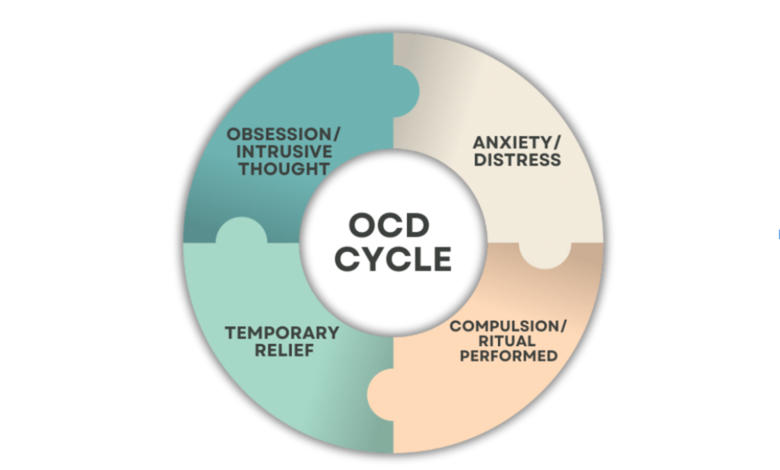
OCD (Obsessive Compulsive Disorder) is a mental health issue that affects millions of people all over the world. Can cause disturbance in life, relationships, work and wellbeing. Intrusive thoughts are what can cause anxiety and make people uncomfortable for those with OCD, and it may be necessary for them to perform some sort of behaviour or ritual to ease that anxiety. OCD can be treated and is a difficult condition. The knowledge of obsessive compulsive disorder therapy and the assistance it provides in the healing process can be the initial step toward living a healthier and more balanced life.
What is OCD?
There are two primary symptoms of OCD: obsessions and compulsions. Obsessions are thoughts, images or urges which are unwanted and persist in the mind and are significantly distressing or uncomfortable. Compulsions are repetitive behaviours or thoughts that are performed to relieve that anxiety.
Washing their hands over and over as an example is an example of a persistent fear of contamination. A different person might want to lock something several times before moving out of the house. These behaviours could provide temporary relief but in the long term can strengthen the OCD cycle.
If left untreated, OCD symptoms may worsen and negatively affect a person’s daily functioning.
Why Seeking Professional Therapy is Essential?
Professional therapy is critical for a number of reasons.
There are many people that attempt to deal with OCD by themselves. May try to avoid situations that trigger anxiety and/or do compulsions to make the person feel better. Unfortunately, these methods are frequently only used to keep things the way they are.
Professional therapy will be used for helping people to understand the course of their symptoms. Provides hands-on techniques to manage intrusive thinking and reduce compulsions. During therapy, it also offers a secure and supportive environment for people to discuss their concerns in a confidential way, free from scrutiny.
Early intervention is more likely to be effective in getting better results and can prevent symptoms from becoming more interfering.
There are a number of various sorts of treatment for OCD.There are several types of OCD therapy.
There are a number of therapies that have proven beneficial for those with OCD. Very often treatment depends on the person’s particular symptoms and requirements.
Cognitive Behavioral Therapy
One of the most common treatments for OCD is called Cognitive Behavioral Therapy (CBT). This method involves recognising thoughts that aren’t helpful and changing them to more positive thoughts.
Some people with OCD might feel more at risk, or responsible to reduce or prevent injury. CBT works to question these beliefs, and create a more well-rounded view.
If a person practices and learns to not act upon the thoughts with compulsive actions, but instead, to respond differently, they can teach themselves to change their response to the thoughts.
Exposure and Response Prevention (ERP)
Exposure and Response Prevention (ERP) is an extremely successful therapy for OCD. ER is a special form of CBT which slowly exposes people to situations that evoke anxiety.
For instance, for a person who is afraid of contamination they might be tempted to handle an item they consider to be unclean and not wash their hands right away. As time goes on, the person realizes that they don’t have to do the compulsion to feel anxious.
This will aid to re-train the mind and diminish the association between obsessive and compulsive ideas.
Acceptance and Commitment Therapy
A technique that sometimes is used along with other OCD treatments is called Acceptance and Commitment Therapy (ACT). ACT allows people to accept unwanted thoughts and thoughts that they can’t get rid of.
Instead of struggling with intrusive thoughts, people realize they are normal, and learn to attend and listen to their feelings and values, and to listen to their actions that are helping them as well. This can lessen the emotional influence of obsessions in the lives of people.
Therapy can assist with healing.The Place of Therapy in Rehab. No cure for OCD. It’s a slow process and needs patience and commitment. Therapy is a critical component in restoring people’s lives.
Reducing Anxiety
A main purpose of therapy is to deal with the anxiety that comes together with obsessive thoughts. People learn healthier ways of coping and this reduces the reliance on compulsive behaviours to help relieve this distress.
Confidence and independence may also improve with a decrease in anxiety.
The OCD Cycle is Broken
The essence of OCD is repetition. The more compulsions a person does, the stronger the cycle grows. This is where therapy comes in to help break the cycle.
As the person overcomes the temptation, in a structured manner, and learns to confront the fear, they gradually assert control over themselves from the OCD.
Building Resilience
Therapy is another way of building resilience. They become accustomed to living with uncertainty, learn strategies for coping with stress and learn how to cope with challenges.
The skills continue to be useful beyond treatment and can aid in long-term recovery.
Role of Family Support
The family can be a key support in the recovery process. OCD can impact not only the person, but others as well. These compulsive behaviors can be used unknowingly by family members to support reassurance and/or to help prevent triggers. Therapy can help educate families about and provide strategies to cope with OCD.
A positive family atmosphere can make the recovery process smoother and successful.
Addressing Common Misconceptions
It should be remembered that there are a lot of misconceptions surrounding OCD. Others believe that it is a matter of tidiness or tidying. OCD is actually a serious mental disorder, and can encompass a variety of different forms of obsessions and compulsions.
Another popular myth is that there’s no point in ever trying to recover. Many people may experience a significant improvement in their condition after therapy and appropriate treatment, although some may have a long-term diagnosis for OCD.
Having facts available can help minimize the stigma and encourage more people to get help.
Final Thoughts
If you want to get relief from OCD symptoms, understanding obsessive compulsive disorder therapy is of prime importance. Cognitive Behavioral Therapy (CBT), Exposure and Response Prevention (ERP), and Acceptance and Commitment Therapy (ACT) are effective therapies that can help break the cycle of obsessions and compulsions.
Recovery is a journey, but it is possible. With the right support, consistent effort, and evidence-based treatment, people with OCD can build healthier habits, reduce anxiety, and enjoy a more fulfilling life. Therapy does not simply manage symptoms,it helps individuals reclaim their freedom and move forward with confidence.