Introduction to Repmold
The term Repmold is gaining attention across various industries, especially among professionals involved in manufacturing, product development, engineering, and industrial innovation. While the word may sound technical at first, its significance extends far beyond a simple industrial process. Repmold represents a concept that combines precision, replication, and molding techniques to create products that meet modern quality standards.
In today’s competitive marketplace, businesses are constantly searching for methods that improve production efficiency while maintaining consistency. Repmold serves as a valuable solution because it allows manufacturers to reproduce components with remarkable accuracy. Whether producing small consumer goods or complex industrial parts, the ability to replicate designs reliably is a major advantage.
The growing demand for customized products has also increased interest in advanced molding technologies. Companies are expected to deliver high-quality products quickly, and traditional manufacturing methods often struggle to meet these expectations. Repmold offers a practical approach that bridges the gap between quality and speed.
As industries continue to embrace automation and digital manufacturing, the relevance of Repmold becomes even more apparent. Understanding its principles, applications, and benefits can help businesses make informed decisions about their production strategies and long-term growth plans.
The Origins and Development of Repmold
Like many industrial innovations, Repmold emerged from the need to improve production efficiency. Early manufacturing processes relied heavily on manual labor and repetitive tasks, which often resulted in inconsistencies and increased production costs. As technology advanced, industries sought better ways to replicate products while maintaining precision.
The development of molding technologies laid the foundation for what is now known as Repmold. Engineers began experimenting with techniques that allowed exact reproductions of existing components. This capability became particularly valuable in industries where precision was critical, such as automotive manufacturing, aerospace engineering, and medical device production.
Over time, advancements in materials science contributed significantly to the evolution of Repmold. New polymers, composites, and specialized molding materials enabled manufacturers to create more durable and complex products. These developments expanded the range of applications and increased the overall effectiveness of replication-based manufacturing methods.
Today, Repmold is often associated with modern production environments that prioritize consistency, scalability, and quality control. Its continued evolution reflects the industry’s commitment to innovation and the pursuit of more efficient manufacturing solutions.
How Repmold Works
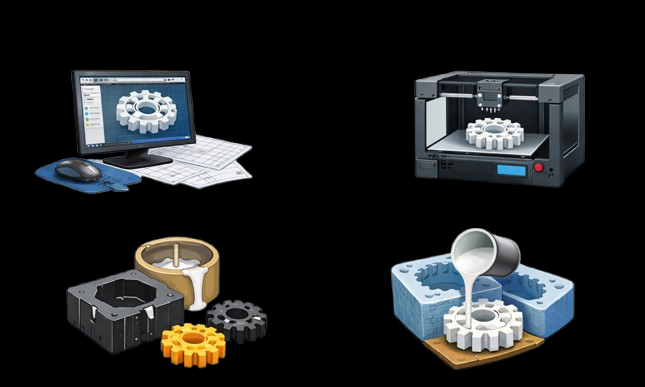
At its core, Repmold revolves around the process of creating accurate reproductions through specialized molds and replication techniques. The process typically begins with an original design or prototype that serves as the reference model. This model is used to create a mold capable of producing identical copies.
Once the mold is prepared, the selected material is introduced into the mold cavity. Depending on the manufacturing requirements, this material may be plastic, resin, metal, rubber, or another specialized substance. The material then takes the shape of the mold and solidifies into the desired form.
Quality control plays a critical role throughout the Repmold process. Manufacturers carefully monitor temperature, pressure, curing times, and material properties to ensure that every replica matches the original specifications. Even minor deviations can affect product performance, making precision essential.
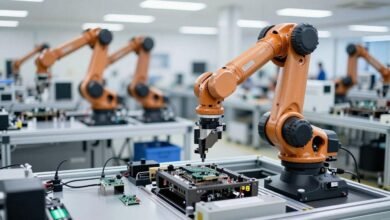
Modern Repmold systems often integrate computer-aided design (CAD) software and automated machinery. These technologies enhance accuracy, reduce human error, and streamline production workflows. As a result, businesses can achieve higher production volumes without sacrificing quality.
Key Industries That Utilize Repmold
One of the reasons Repmold has gained widespread recognition is its versatility. Numerous industries rely on replication and molding technologies to meet production demands and maintain product consistency.
The automotive industry is a prime example. Manufacturers use Repmold techniques to produce dashboards, interior components, engine parts, and various structural elements. The ability to replicate complex designs accurately helps ensure safety and reliability.
In the medical sector, precision is absolutely essential. Medical equipment, surgical instruments, prosthetics, and diagnostic devices often require highly accurate manufacturing processes. Repmold supports the production of these critical components while maintaining strict quality standards.
Consumer electronics companies also benefit from Repmold applications. Smartphones, computer accessories, wearable devices, and household electronics frequently contain molded components that must meet exact specifications. Repmold allows manufacturers to achieve this consistency efficiently.
The aerospace industry represents another important application area. Aircraft components must adhere to rigorous performance requirements, and Repmold techniques help ensure that each part meets those standards while minimizing production variability.
Major Benefits of Repmold
One of the most significant advantages of Repmold is consistency. Every replica produced from a properly designed mold closely matches the original design. This consistency improves product quality and enhances customer satisfaction.
Cost efficiency is another major benefit. Although mold creation may require an initial investment, the ability to produce large quantities of identical products significantly reduces per-unit manufacturing costs over time. This makes Repmold especially attractive for high-volume production.
Speed is equally important. Traditional manufacturing methods often require extensive manual labor and multiple production stages. Repmold streamlines these processes, allowing businesses to increase output while maintaining quality standards.
Additionally, Repmold supports design flexibility. Manufacturers can create intricate shapes, detailed textures, and complex geometries that might be difficult or impossible to achieve through conventional manufacturing methods. This flexibility encourages innovation and product differentiation.
Repmold and Modern Manufacturing Technologies
The rise of digital manufacturing has transformed how Repmold is implemented. Advanced software tools allow engineers to create detailed virtual models before physical production begins. This reduces errors and improves overall efficiency.
Computer-aided manufacturing systems have further enhanced Repmold capabilities. Automated machinery can execute precise production instructions with minimal human intervention, resulting in greater accuracy and reduced waste.
The integration of artificial intelligence and machine learning is also influencing Repmold operations. These technologies can analyze production data, identify inefficiencies, and recommend process improvements. As a result, manufacturers can optimize performance and minimize defects.
Industry 4.0 initiatives continue to drive innovation in the Repmold sector. Smart factories equipped with connected devices and real-time monitoring systems provide unprecedented levels of visibility and control throughout the manufacturing process.
Challenges Associated with Repmold
Despite its many advantages, Repmold is not without challenges. One common concern is the initial cost of mold development. Creating high-quality molds requires specialized expertise, advanced equipment, and significant investment.
Material selection can also present difficulties. Different applications require different material properties, and choosing the wrong material may compromise product performance or durability. Manufacturers must carefully evaluate factors such as strength, flexibility, temperature resistance, and environmental impact.
Maintenance represents another important consideration. Molds experience wear over time, especially in high-volume production environments. Regular inspection and maintenance are necessary to preserve accuracy and extend mold lifespan.
Additionally, adapting to rapidly changing market demands can be challenging. When product designs change frequently, manufacturers may need to modify or replace molds, which can increase costs and production timelines.
The Role of Repmold in Product Innovation
Innovation remains a key driver of industrial growth, and Repmold plays a valuable role in supporting creative product development. By enabling precise replication, manufacturers can test and refine prototypes more efficiently.
Product designers benefit from the ability to evaluate multiple versions of a design before committing to large-scale production. This iterative approach helps identify improvements and reduce development risks.
Repmold also facilitates customization. Modern consumers increasingly seek products tailored to their specific preferences. Advanced molding techniques allow manufacturers to offer personalized solutions without sacrificing efficiency.
Furthermore, the technology supports experimentation with new materials and production methods. This encourages continuous improvement and helps businesses stay competitive in rapidly evolving markets.
Sustainability and Environmental Considerations
Environmental responsibility has become a priority for manufacturers worldwide. Repmold can contribute to sustainability efforts when implemented thoughtfully and strategically.
Efficient production processes help reduce material waste by ensuring that products are manufactured accurately from the outset. Fewer defects mean fewer discarded components and lower resource consumption.
Many companies are exploring environmentally friendly materials that can be used within Repmold systems. Recycled plastics, biodegradable polymers, and sustainable composites offer promising alternatives to traditional materials.
Energy efficiency is another area of focus Mark Fluent. Modern production equipment often consumes less energy than older systems, helping manufacturers reduce their environmental footprint while maintaining productivity.
As sustainability regulations become more stringent, Repmold technologies will likely continue evolving to support greener manufacturing practices.
Future Trends and Opportunities for Repmold
The future of Repmold appears highly promising. Advances in automation, robotics, and digital manufacturing are expected to further enhance production efficiency and product quality.
Three-dimensional printing technologies may also complement traditional Repmold processes. Hybrid manufacturing approaches could combine the flexibility of additive manufacturing with the scalability of molding techniques.
Artificial intelligence will likely play an increasingly important role in predictive maintenance, quality assurance, and process optimization. These capabilities can help manufacturers reduce downtime and improve overall performance.
Global demand for customized, high-quality products continues to grow. As businesses seek efficient ways to meet these expectations, Repmold is positioned to remain a valuable manufacturing solution for years to come.
Conclusion
Repmold represents an important advancement in modern manufacturing and product development. By combining precision, consistency, and scalability, it provides businesses with a reliable method for producing high-quality products across a wide range of industries.